Joaquín Torres-Garcia
Torres-García (1874–1949) was a Spanish Uruguayan painter, draftsman, theorist, teacher and author. He shaped modern art from its post-Impressionist beginnings through the emergence of abstraction.
Torres-García’s pictorial language, like Cubism, operates as a synthesis between representation and abstraction. His pictograms, figures reduced to signs that function like a written language, were embedded within a geometric composition. His structural principles were rooted in classical traditions derived from Greek and Roman culture, absorbed in Catalonia during his youth—which he first articulated as Modern Classicism and later developed into Universal Constructivism. At its core was his conviction that geometry constitutes a universal visual language, shared instinctively across cultures and eras.
He moved between Europe and the Americas—working in Barcelona, New York, Florence, Paris, Madrid, and Montevideo. He founded influential art schools and groups, including the Escola de Decoració (School of Decoration) in Barcelona; the first European abstract-art group Cercle et Carré (Circle and Square) in Paris which brought together artists such as Piet Mondrian and Wassily Kandinsky; the Grupo de Arte Constructivo (Constructive Art Group) in Madrid; and the Taller Torres-García (Torres-García’s Workshop) in Montevideo.
Joaquín Torres-García has been the subject of major museum exhibitions and is represented in the collections of institutions including Museum of Modern Art, Museo Picasso Málaga, Stedelijk Museum Amsterdam, Palazzo Grassi, Solomon R. Guggenheim Museum, and Musée d'Art Moderne de Paris.
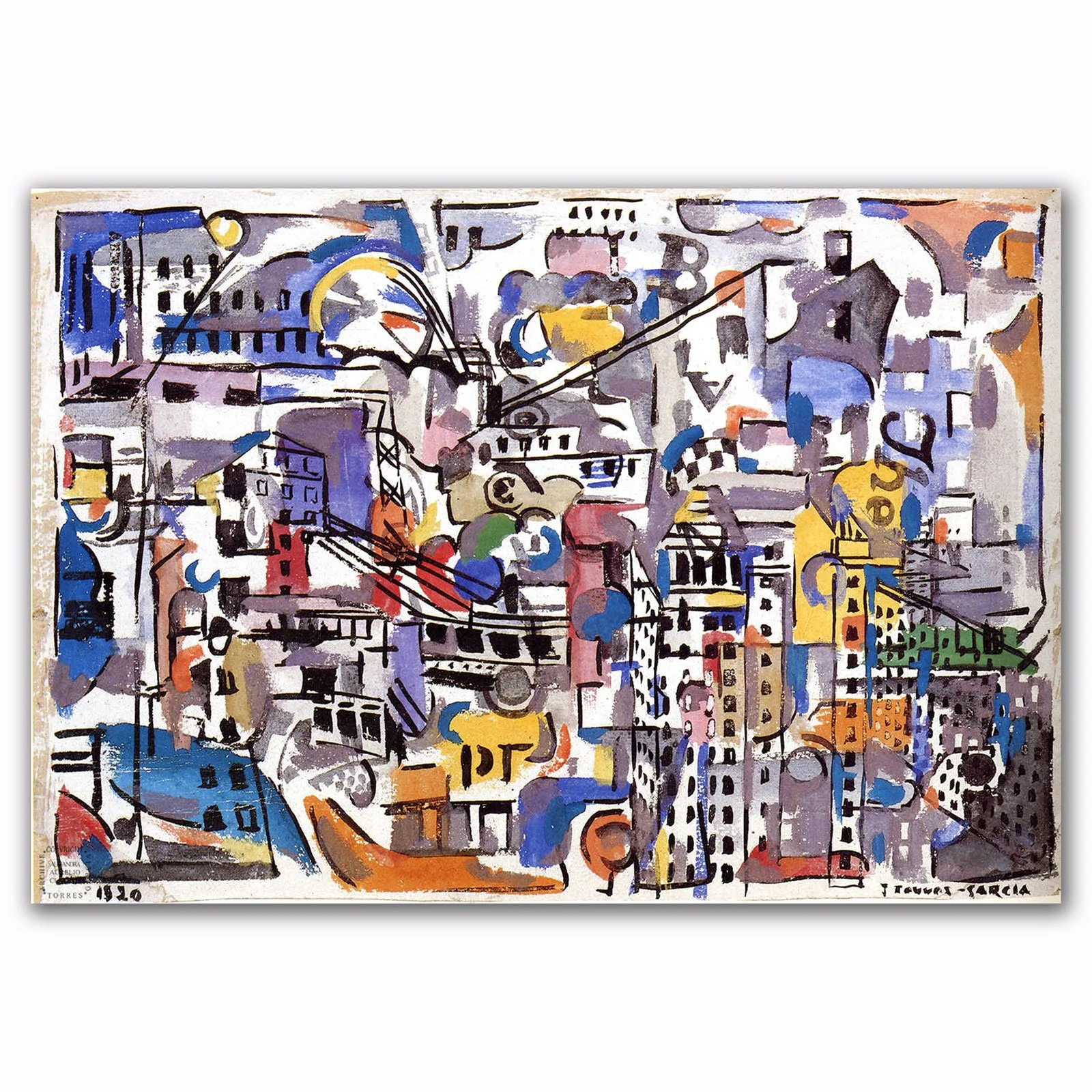
New York City: Bird's Eye View, 1920, Yale University Art Gallery, Connecticut.
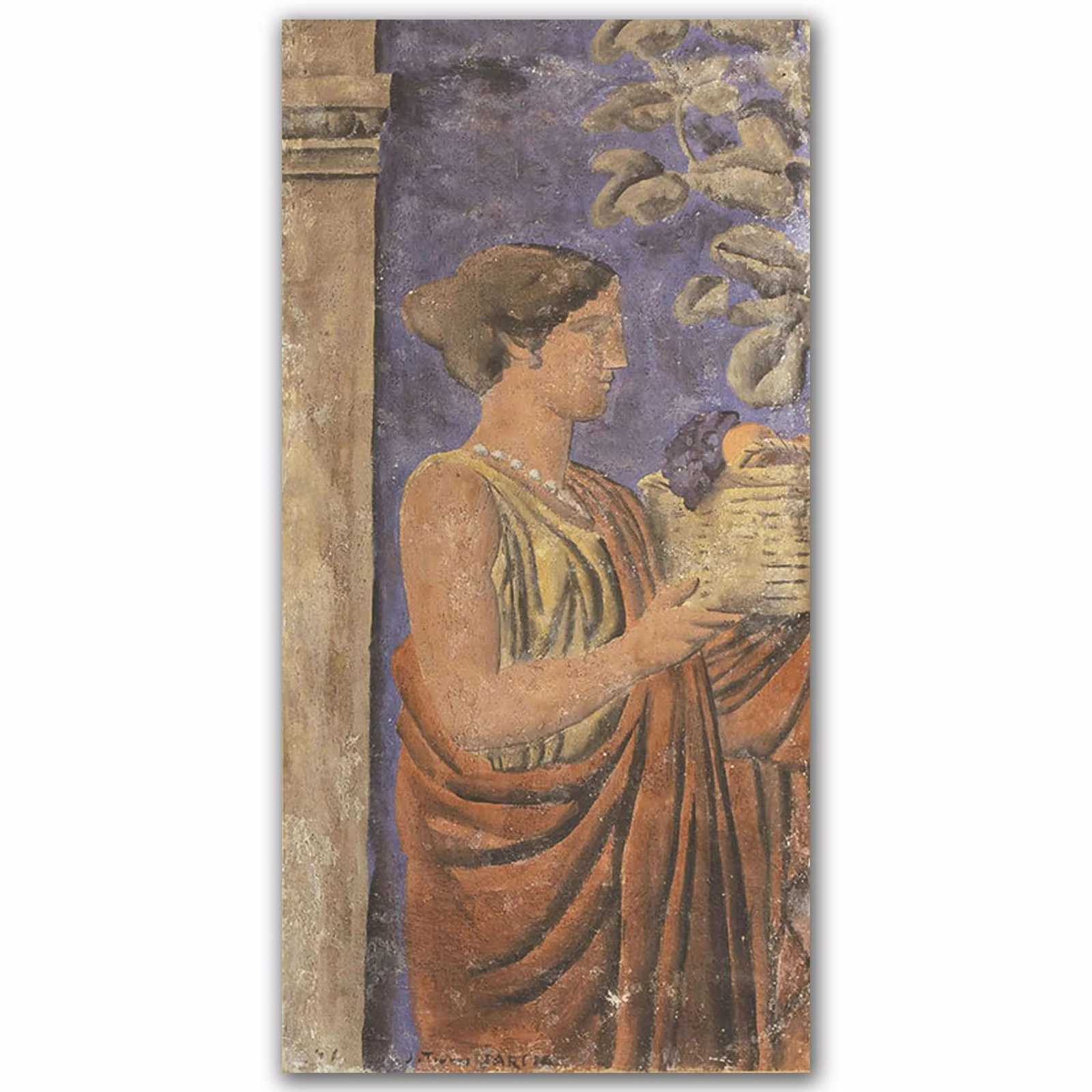
Woman with fruit, 1926, Museo Torres-Garcia, Montevideo.
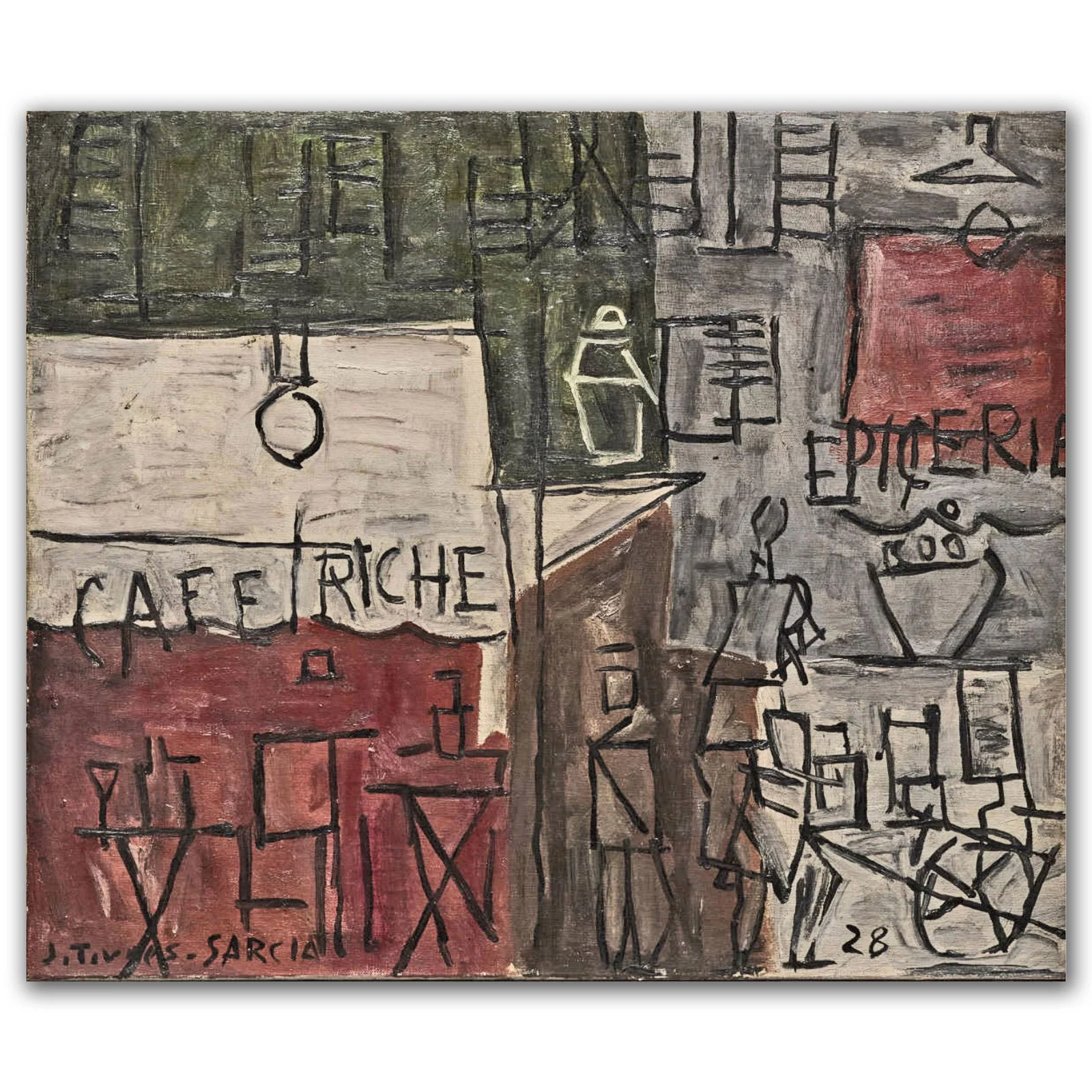
Café Riche- Paris, 1928, Dallas Museum of Art, Texas.
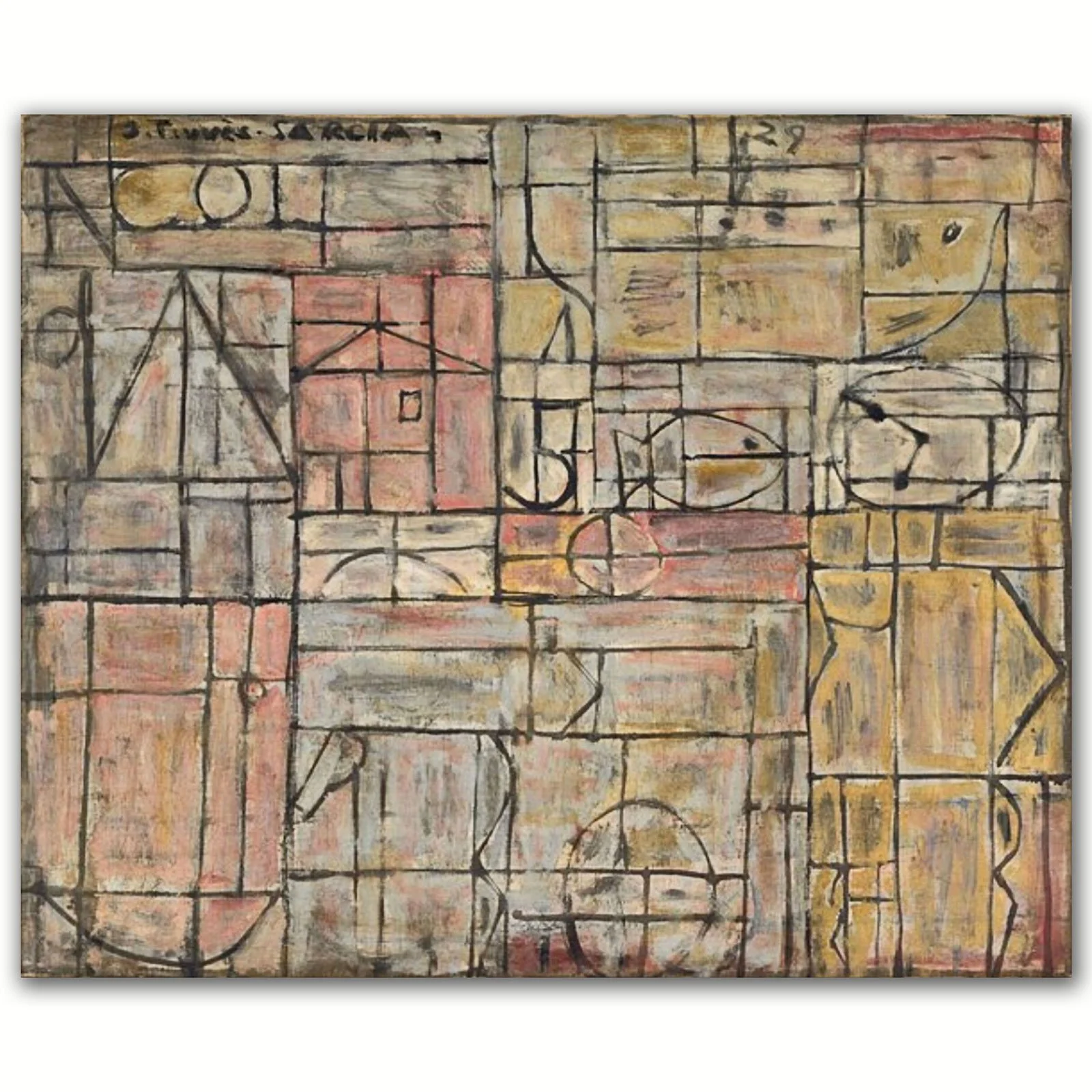
Untitled Composition, 1929, National Gallery of Art, Washington D.C
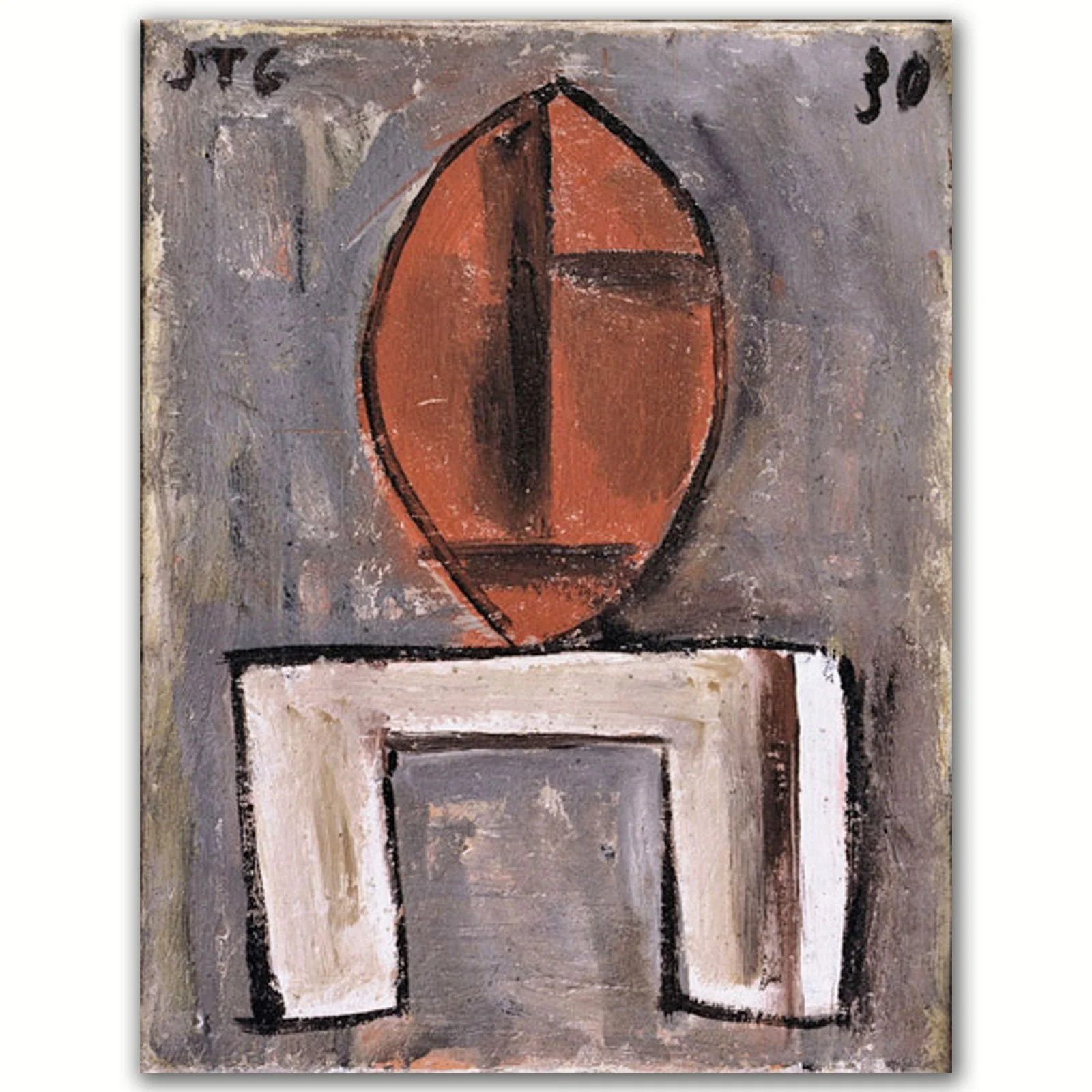
Head, 1930, Philadelphia Museum of Art, Pennsylvania.
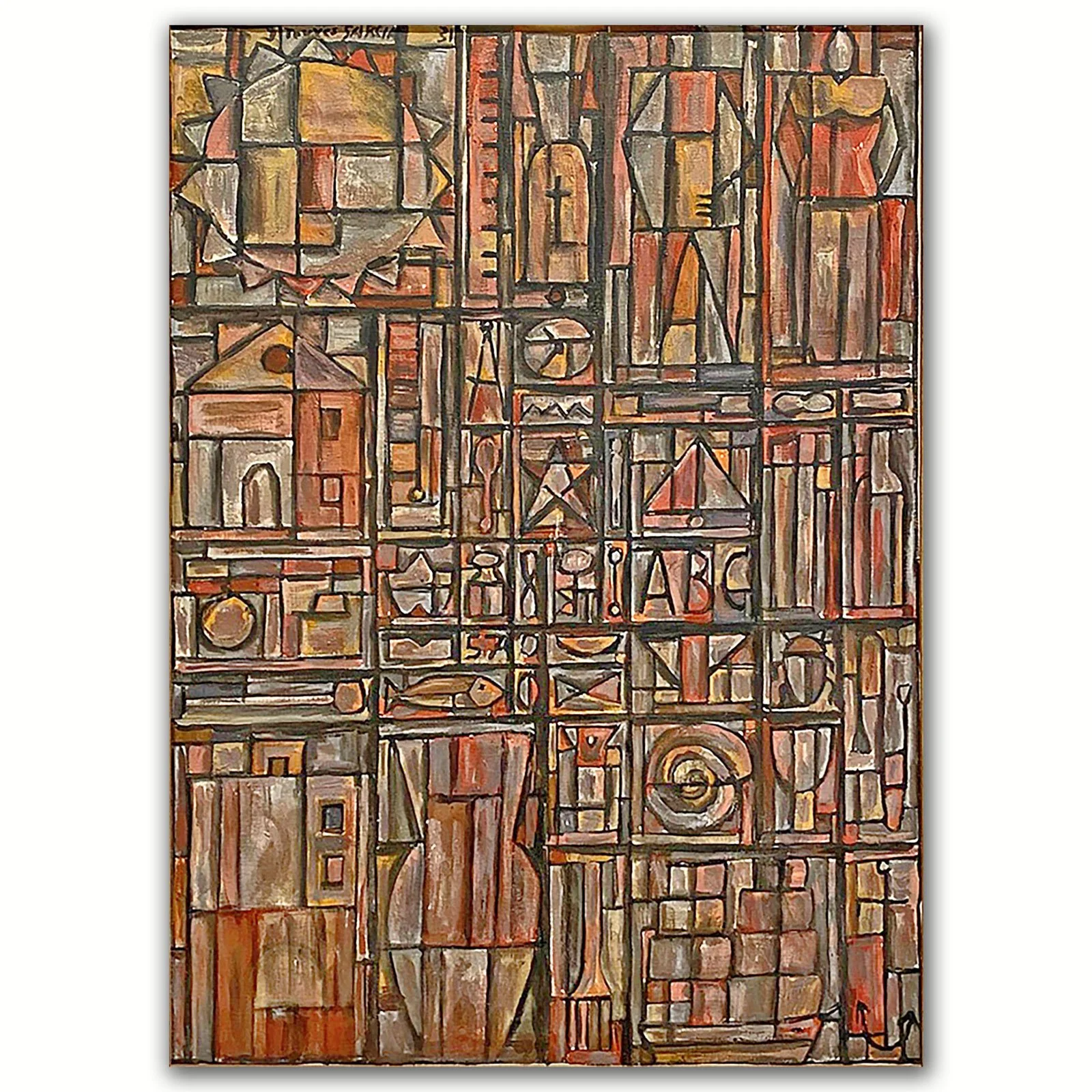
Constructive Painting, 1931, The Met Fifth Avenue, New York.
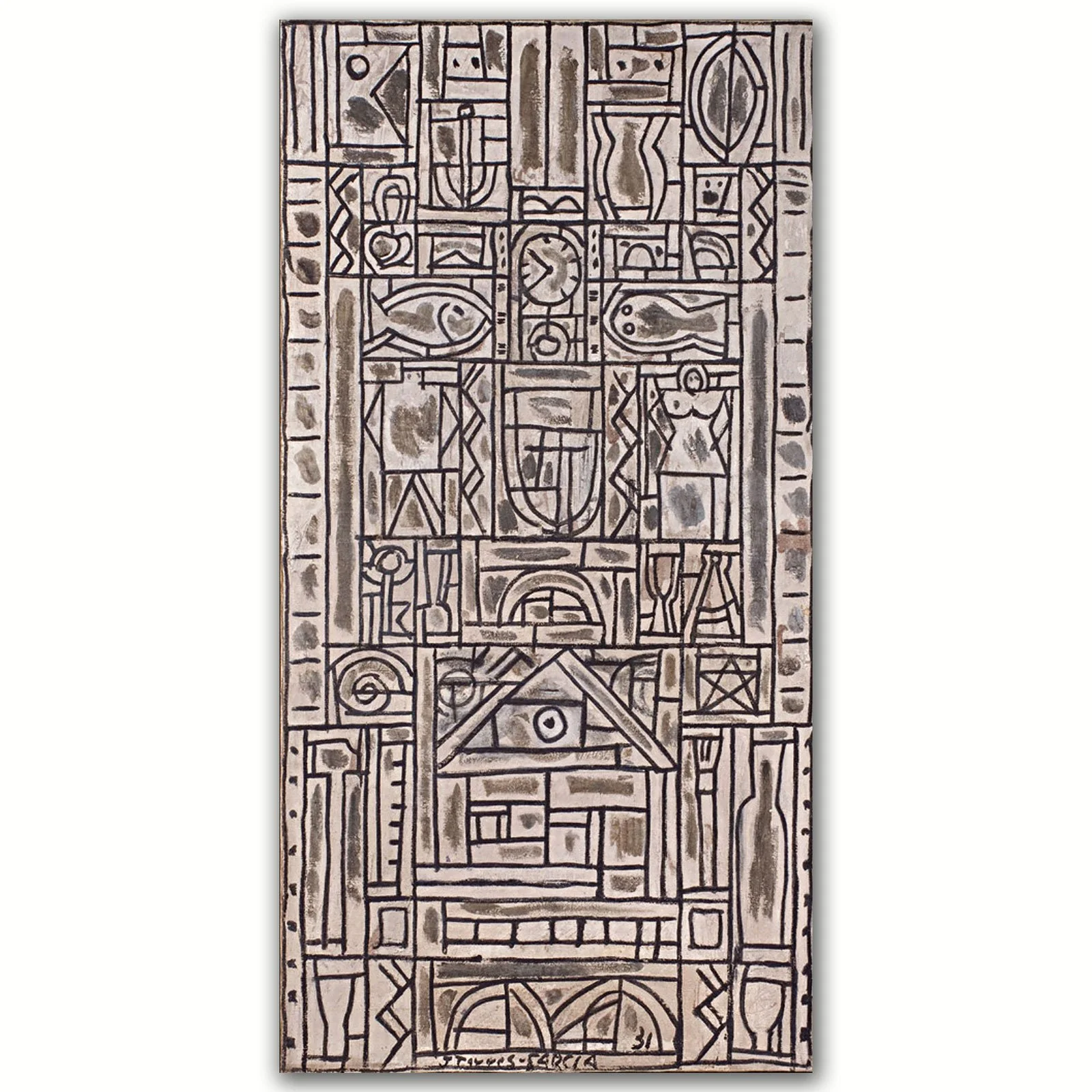
Universal Symmetrical Composition in Black and White, 1931, Fundación Malba, Buenos Aires.
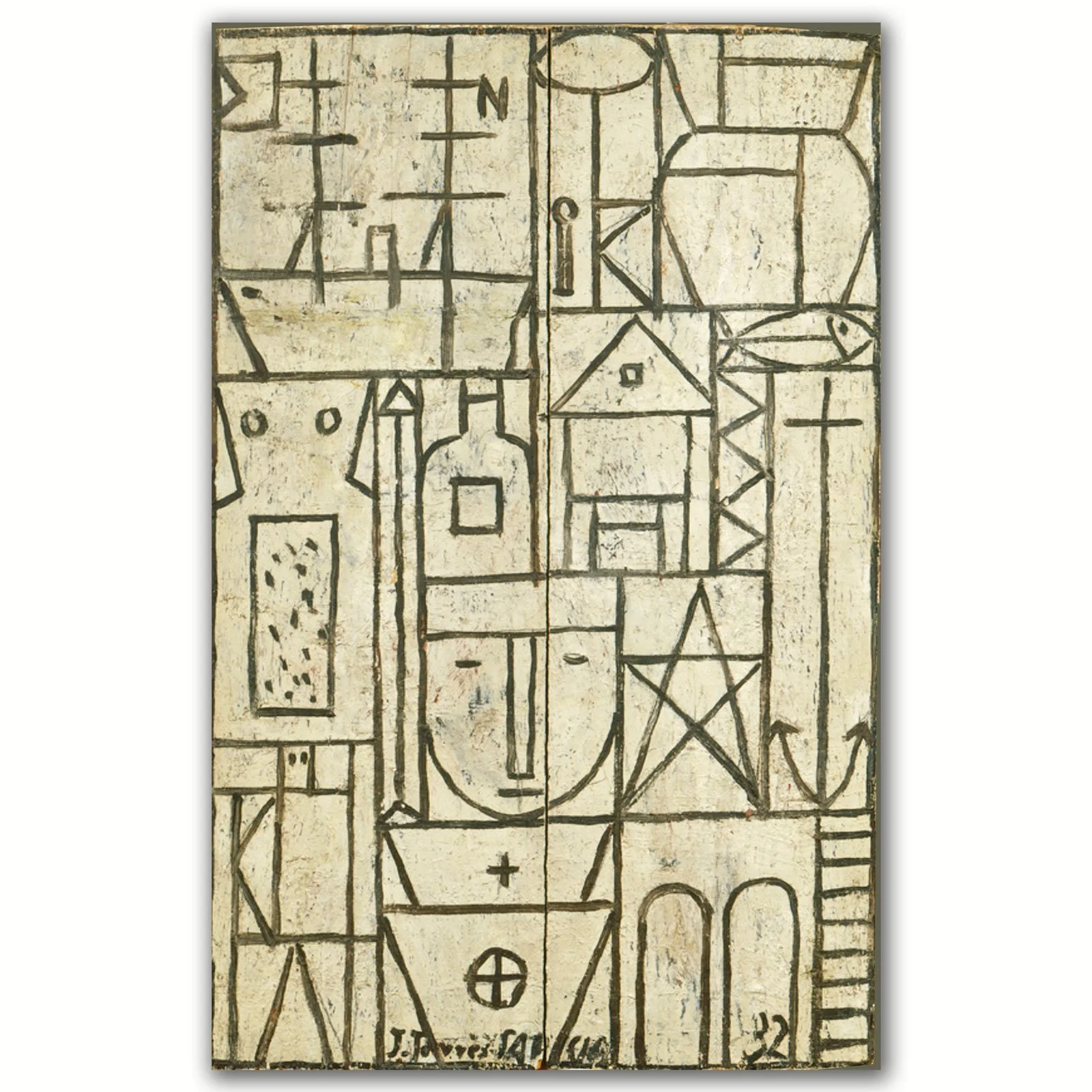
Black and White Constructive, 1932, Musée d'arts de Nantes, France.
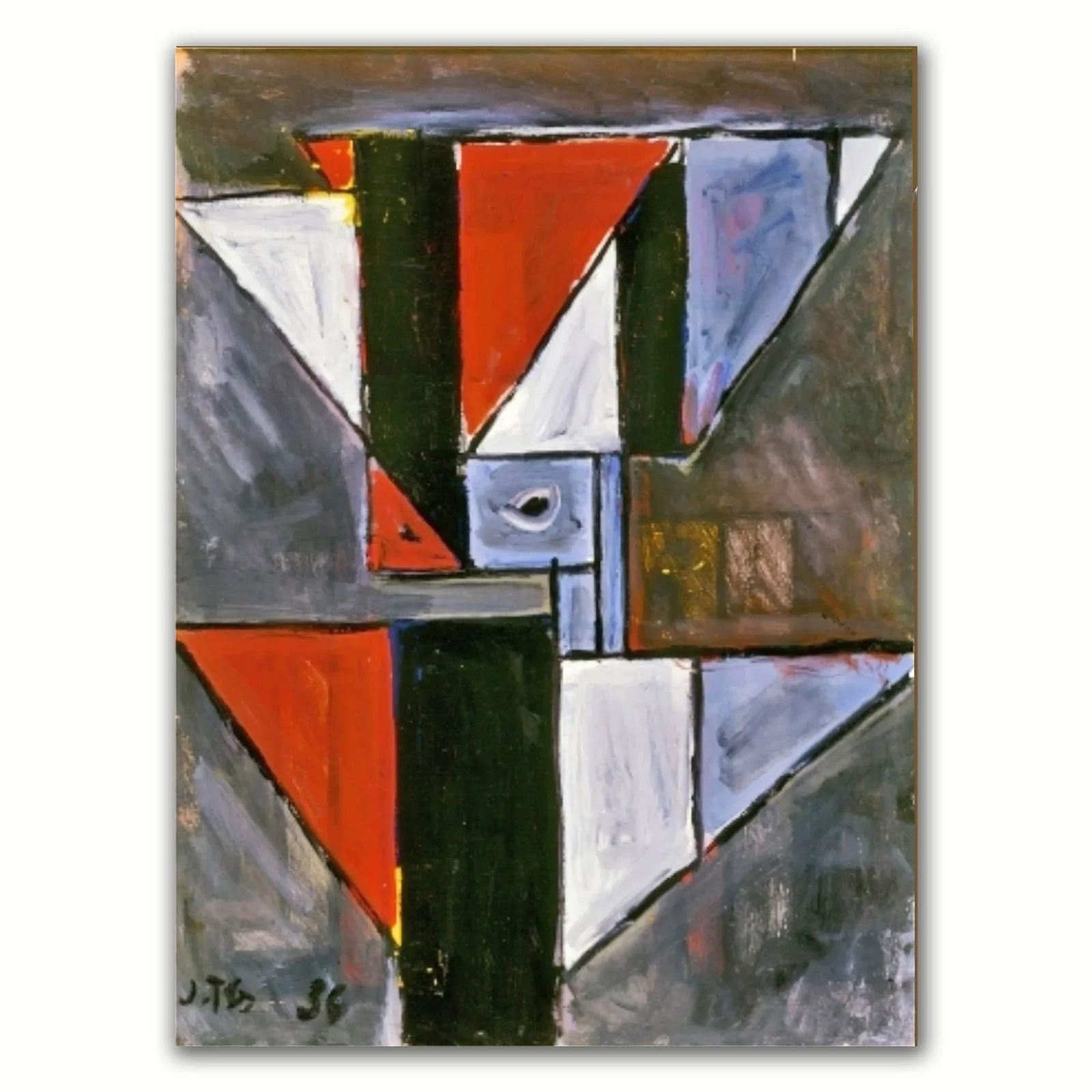
Abstract Form with Triangles, 1936, Stedelijk Museum Amsterdam.
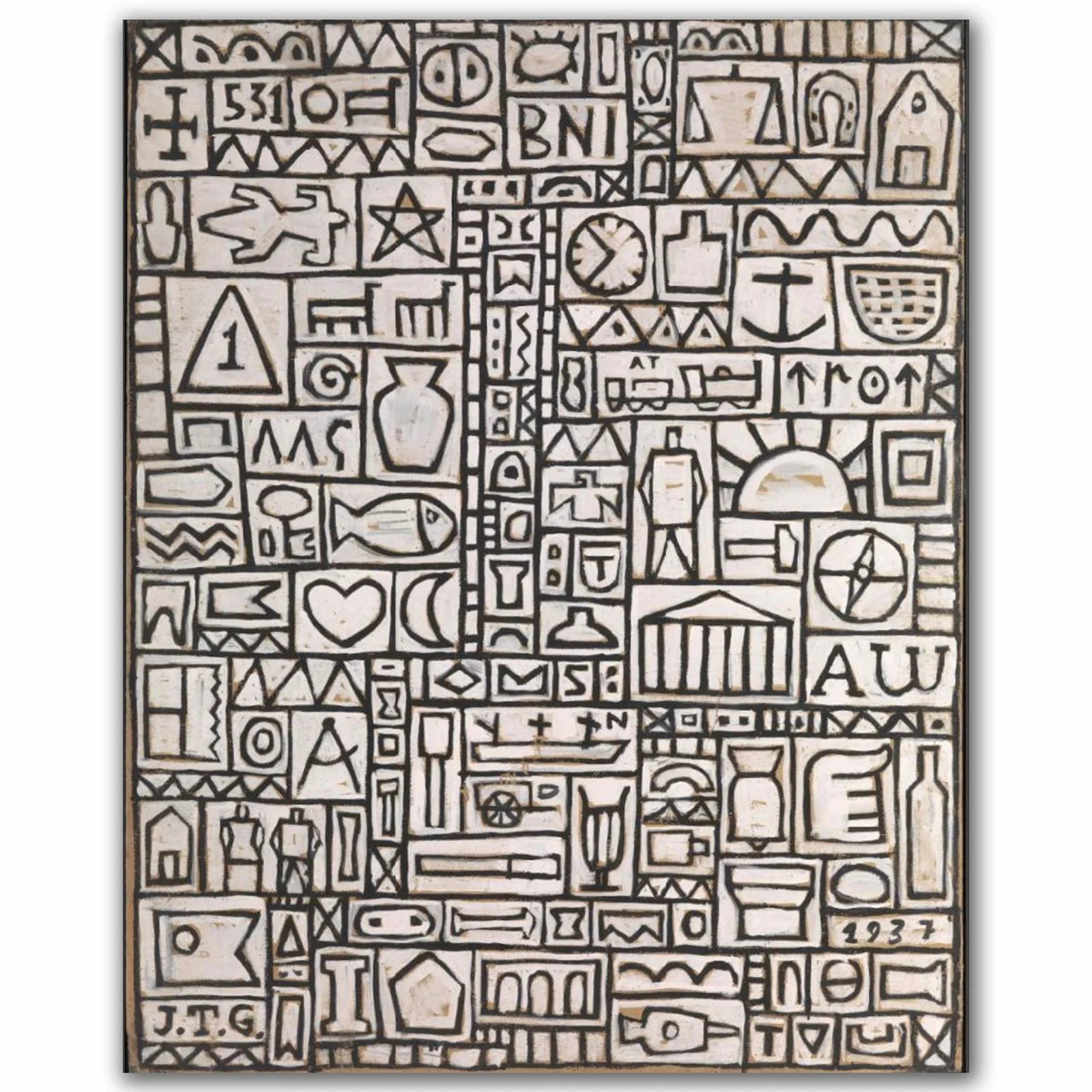
Universal Composition, 1938, The Centre Pompidou, Paris.
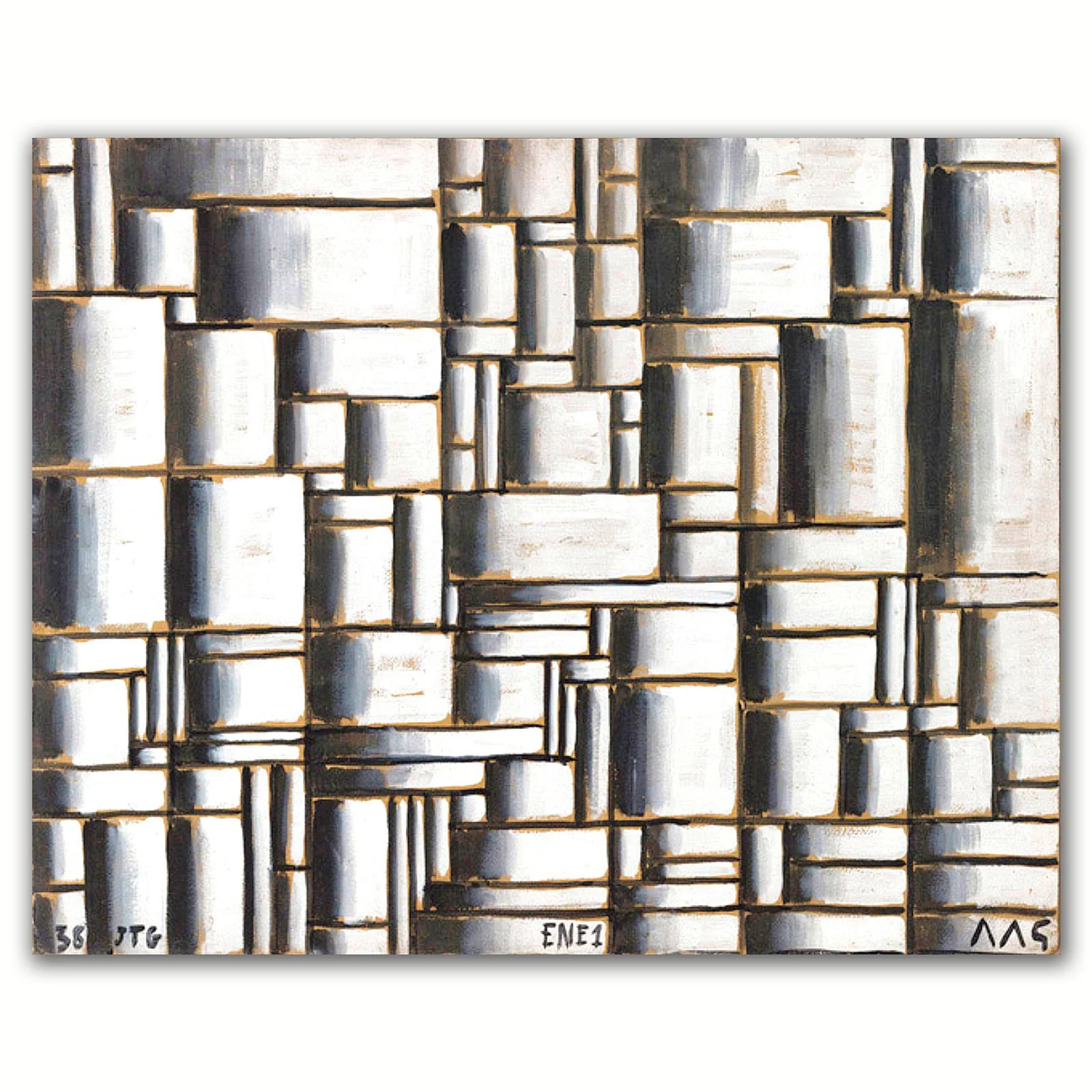
Construction in White and Black, 1938, MoMa The Museum of Modern Art, New York.
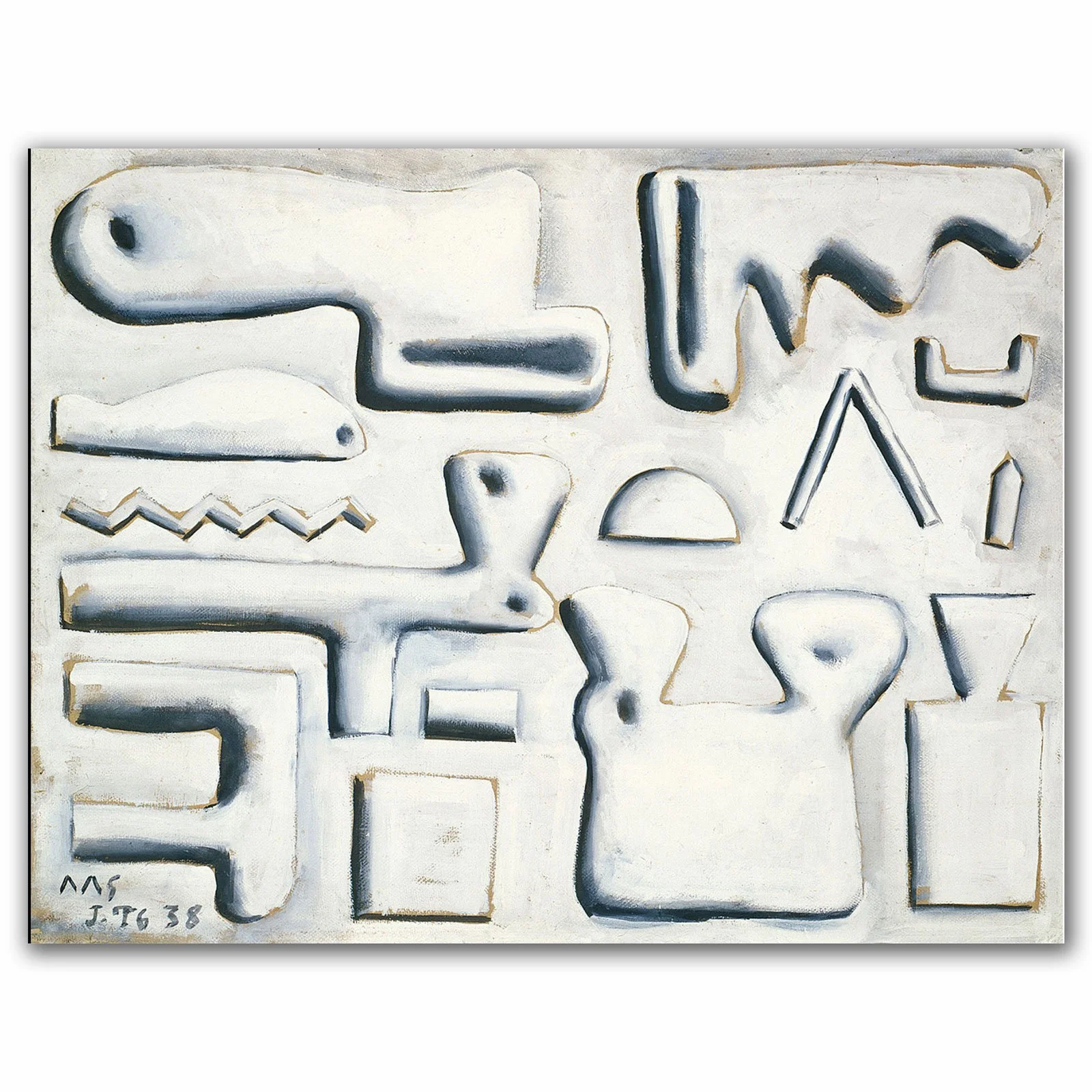
Composition, 1938, Solomon R. Guggenheim Museum, New York.
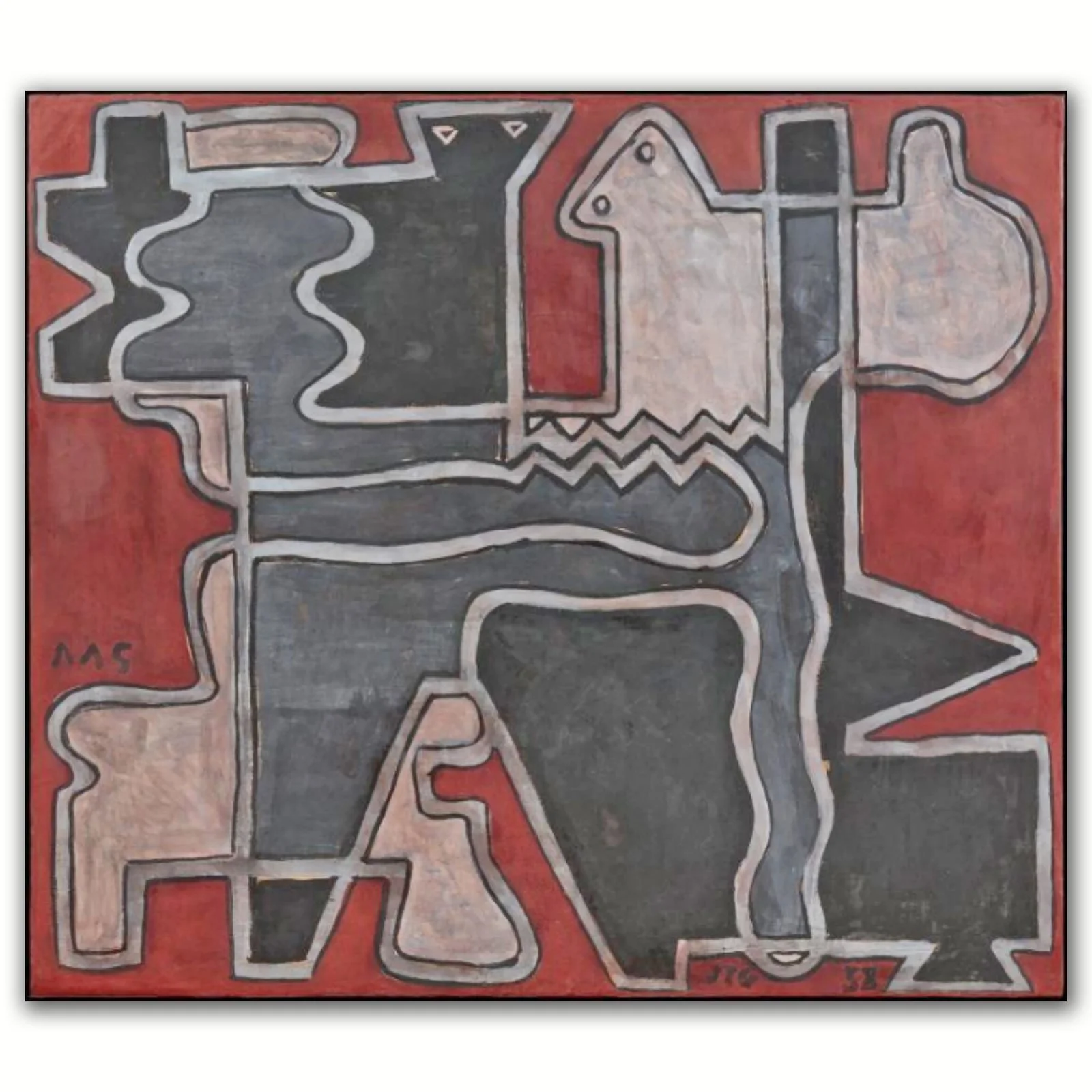
Interlaced Forms on a Red Background, 1938, Newark Museum of Art, New Jersey.
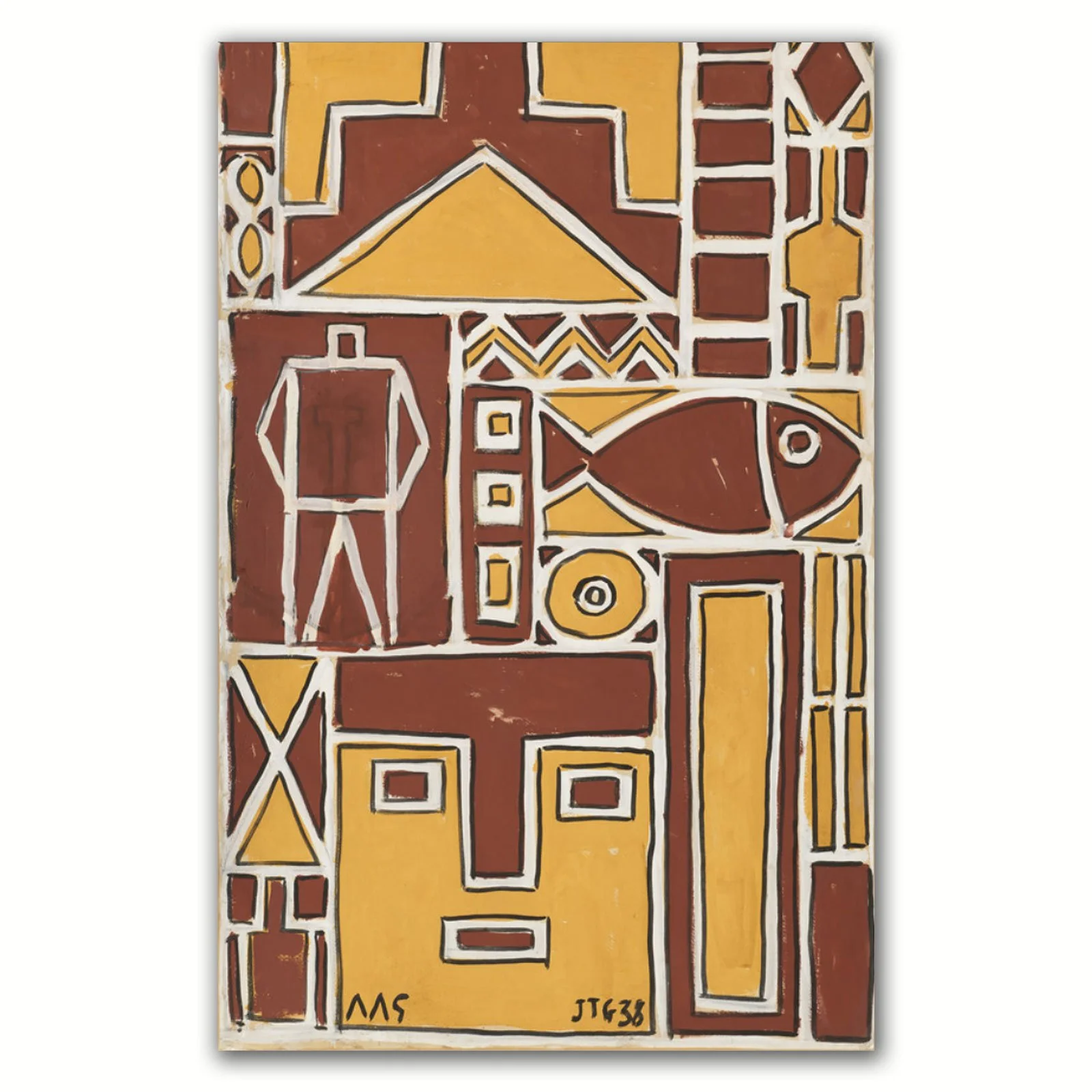
Construction with White Line, 1938, Los Angeles County Museum of Art.
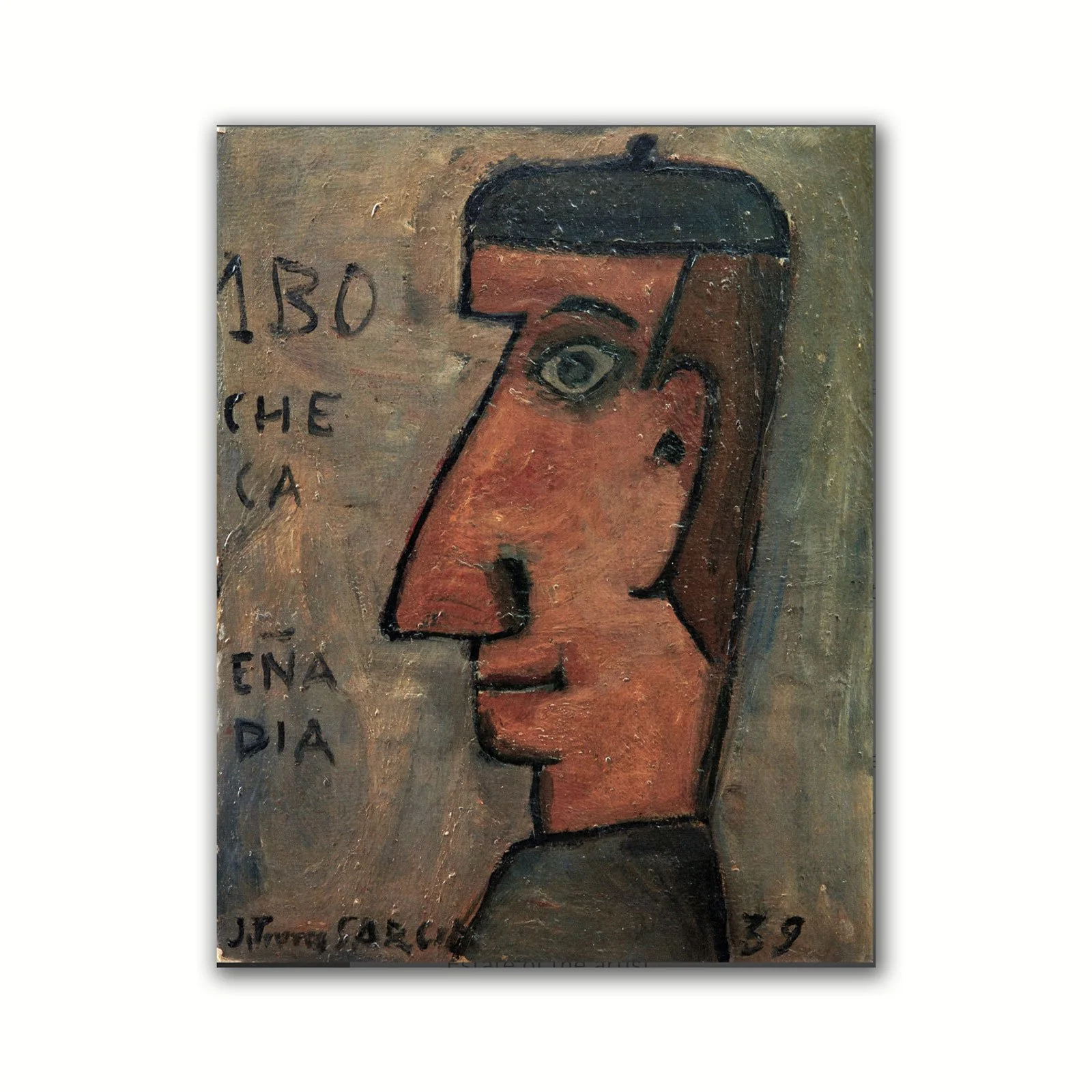
Portrait, 1939, Colby Museum of Art, Waterville, Maine.
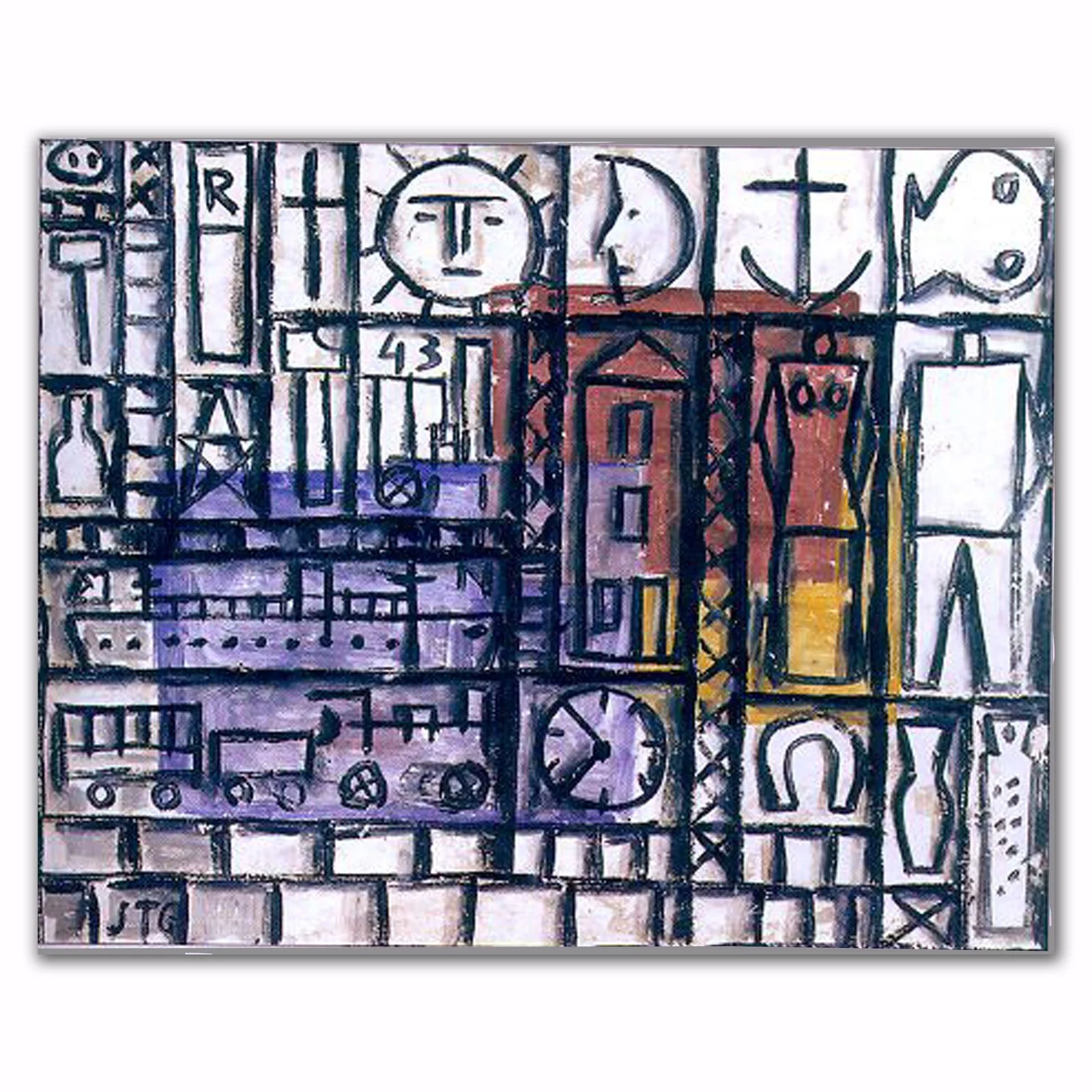
Constructive Work with Color Planes and Graphic Elements, 1943, Art Museum of the Americas, Washington, D.C..
‘Never stop. Never walk the same path twice.
Routine is useless. Habit, worthless.
Resist classification. Don’t accept a label.
Let’s be unclassifiable, beyond definition.’
- Joaquín Torres-García

Figures of Man and Woman Resting, 1914.
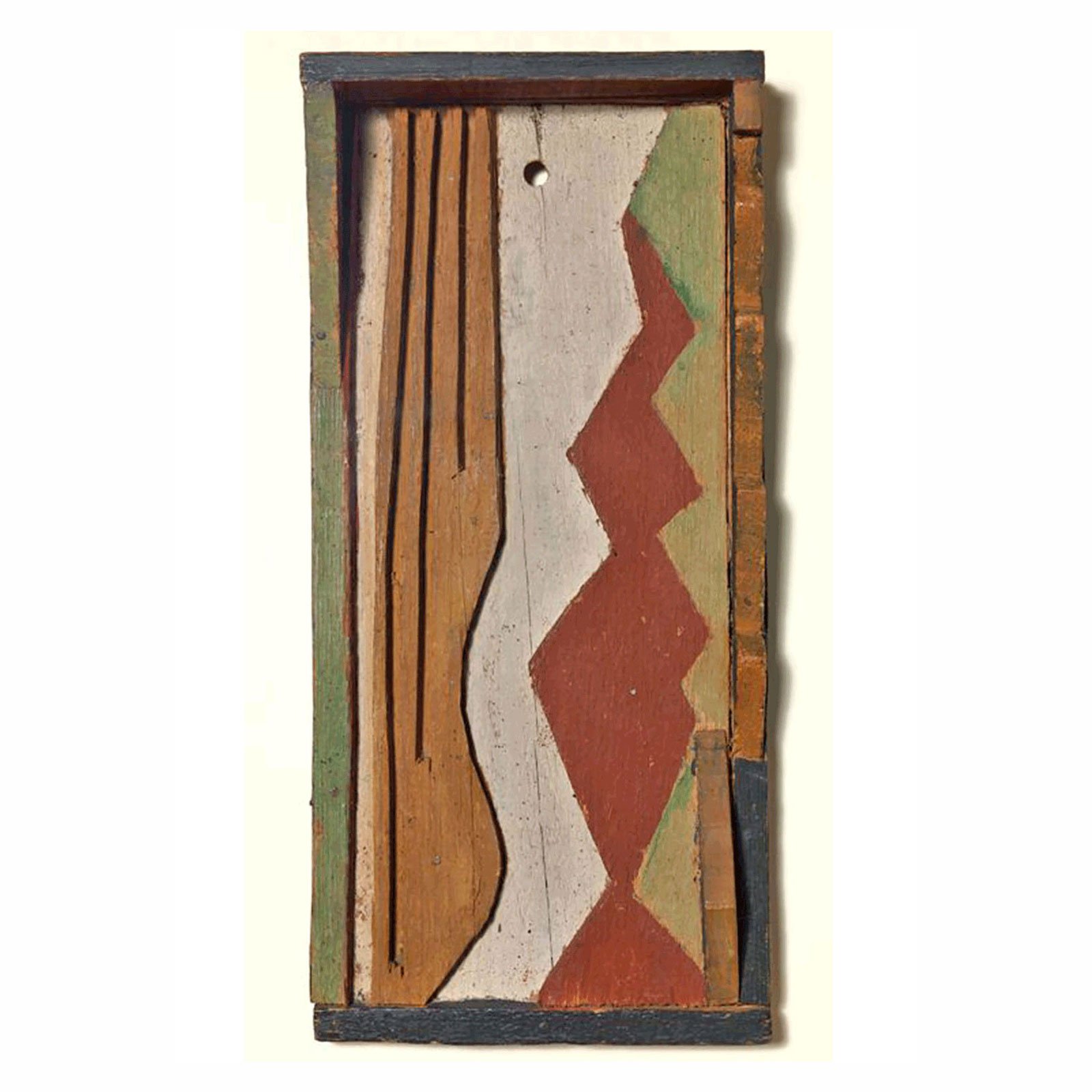
Forms on White, 1924, MACBA Museu d'Art Contemporani de Barcelona.
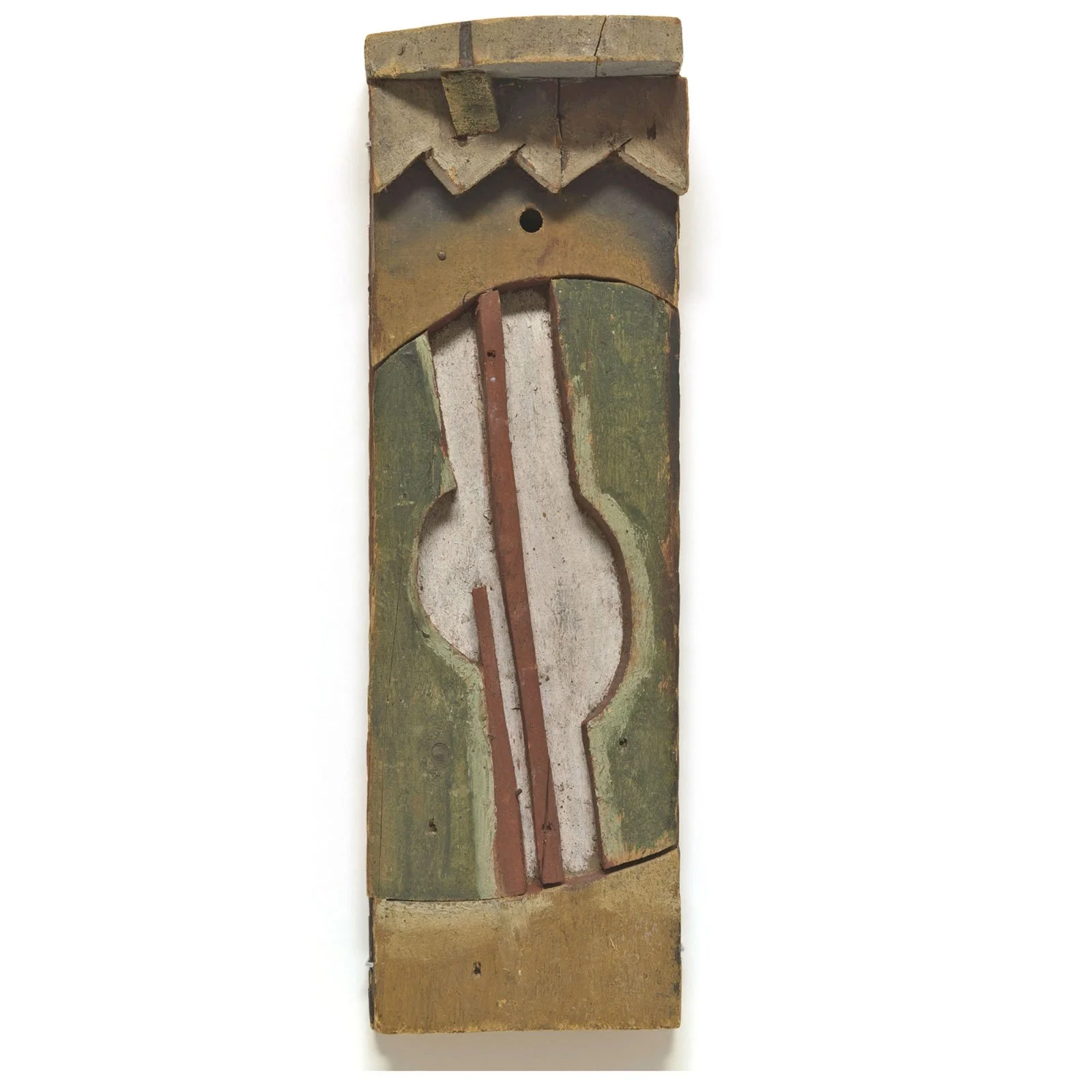
Guitar, 1924, MoMa The Museum of Modern Art, New York.

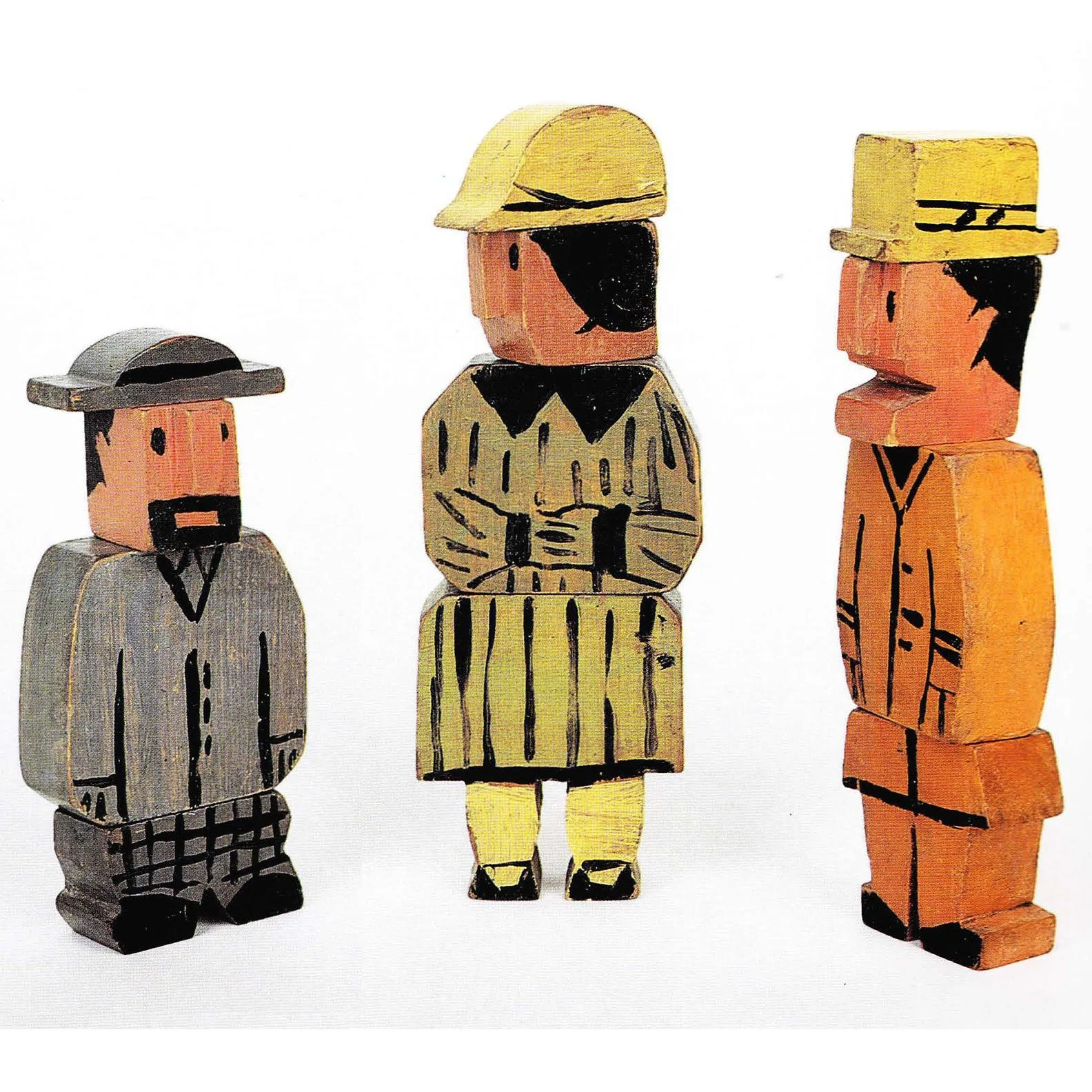
Two-Button Character, 1927, The Centre Pompidou. Paris.
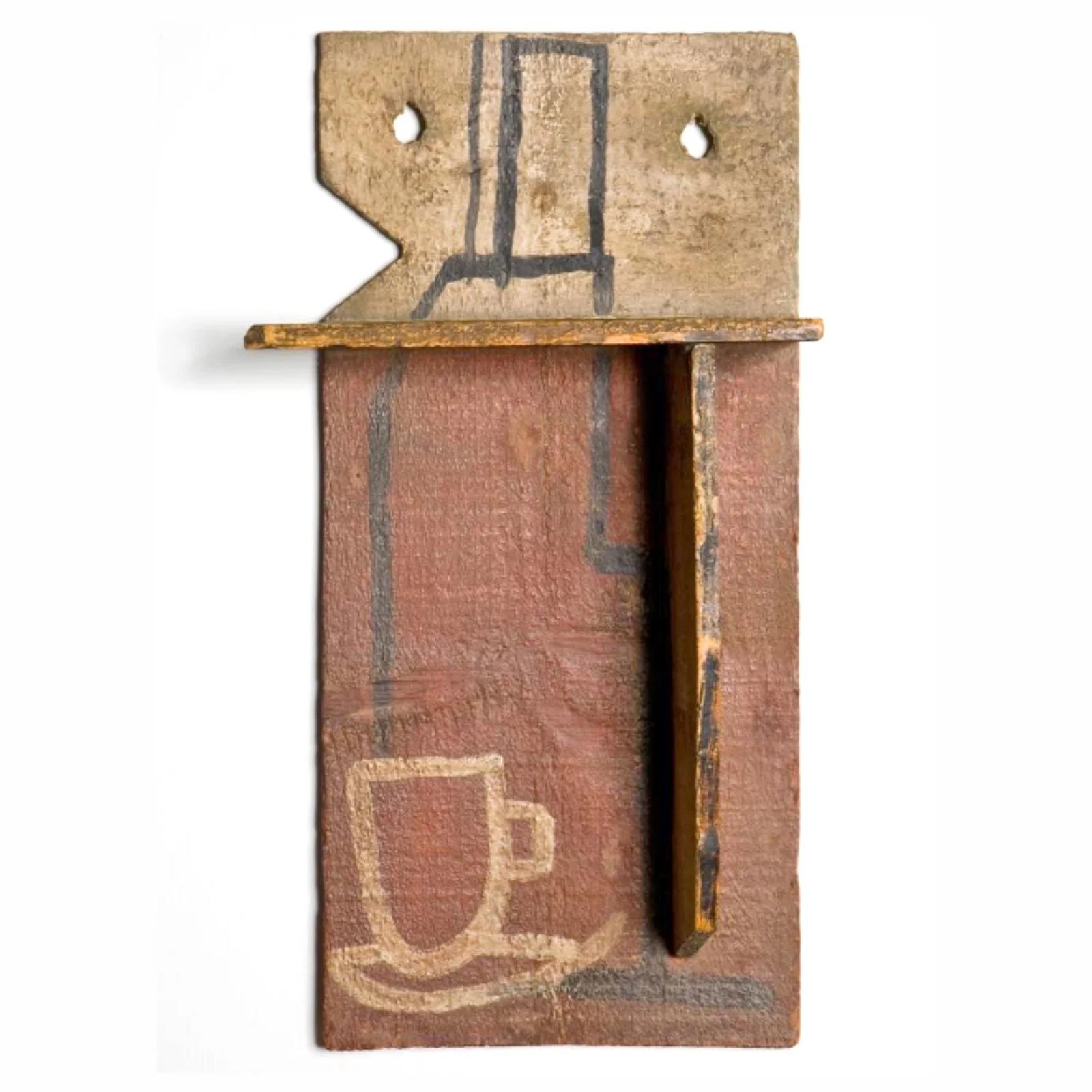
Shelf with Cup, 1928, Museum Ludwig, Cologne.
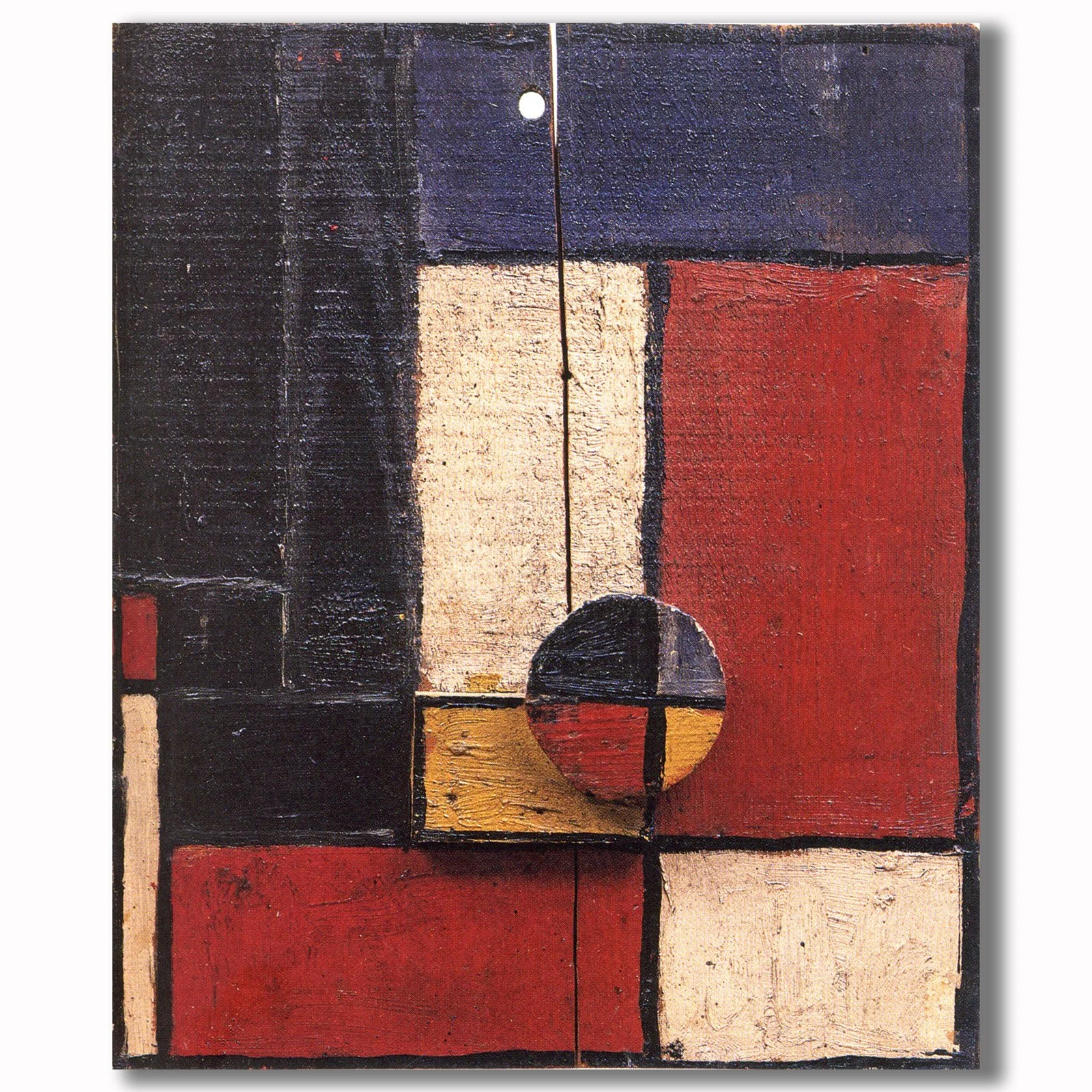
Planes of Colour with Two Superimposed Pieces of Wood, 1928, MACBA Museu d'Art Contemporani de Barcelona.
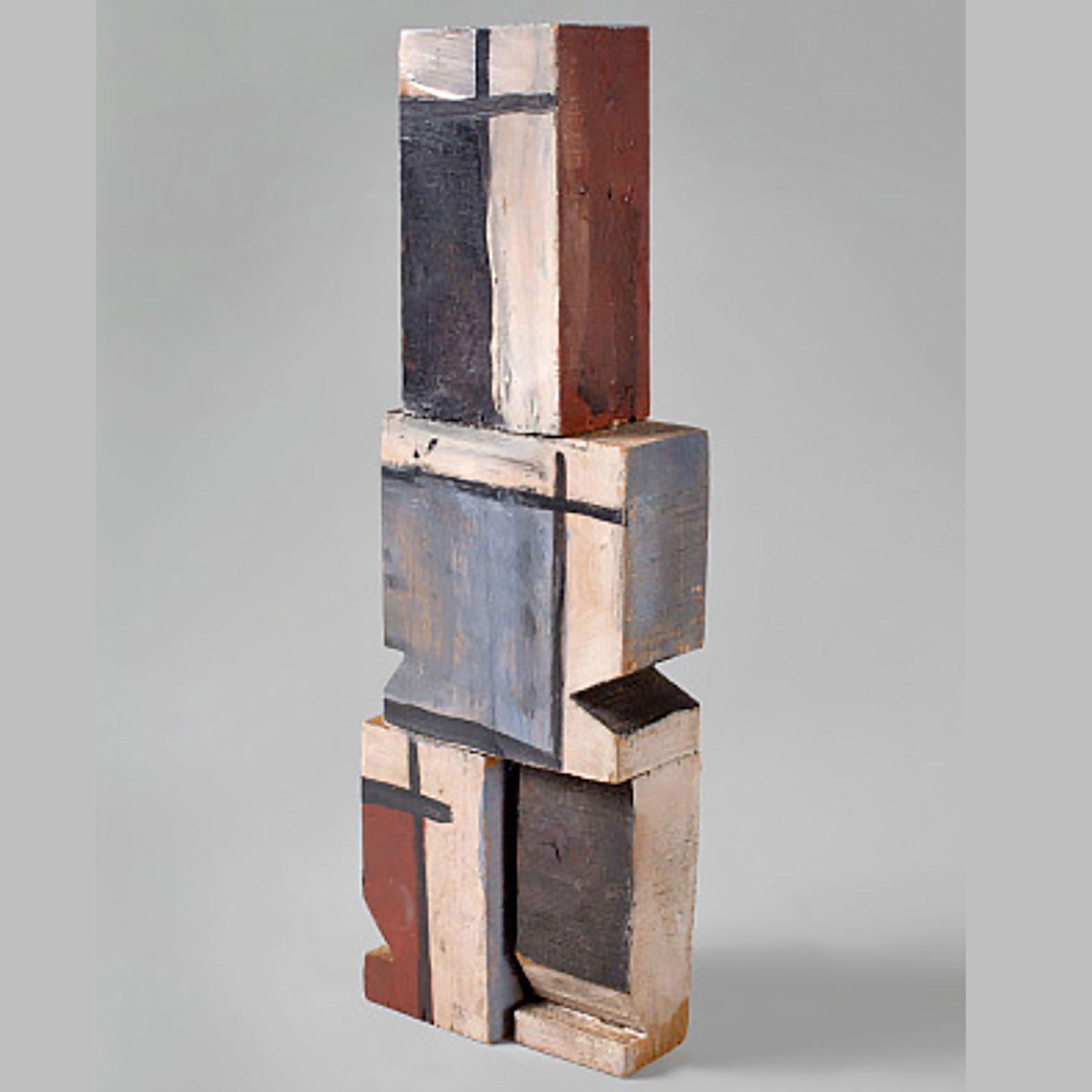
Untitled, 1929, Hirshhorn Museum and Sculpture Garden, Washington DC.
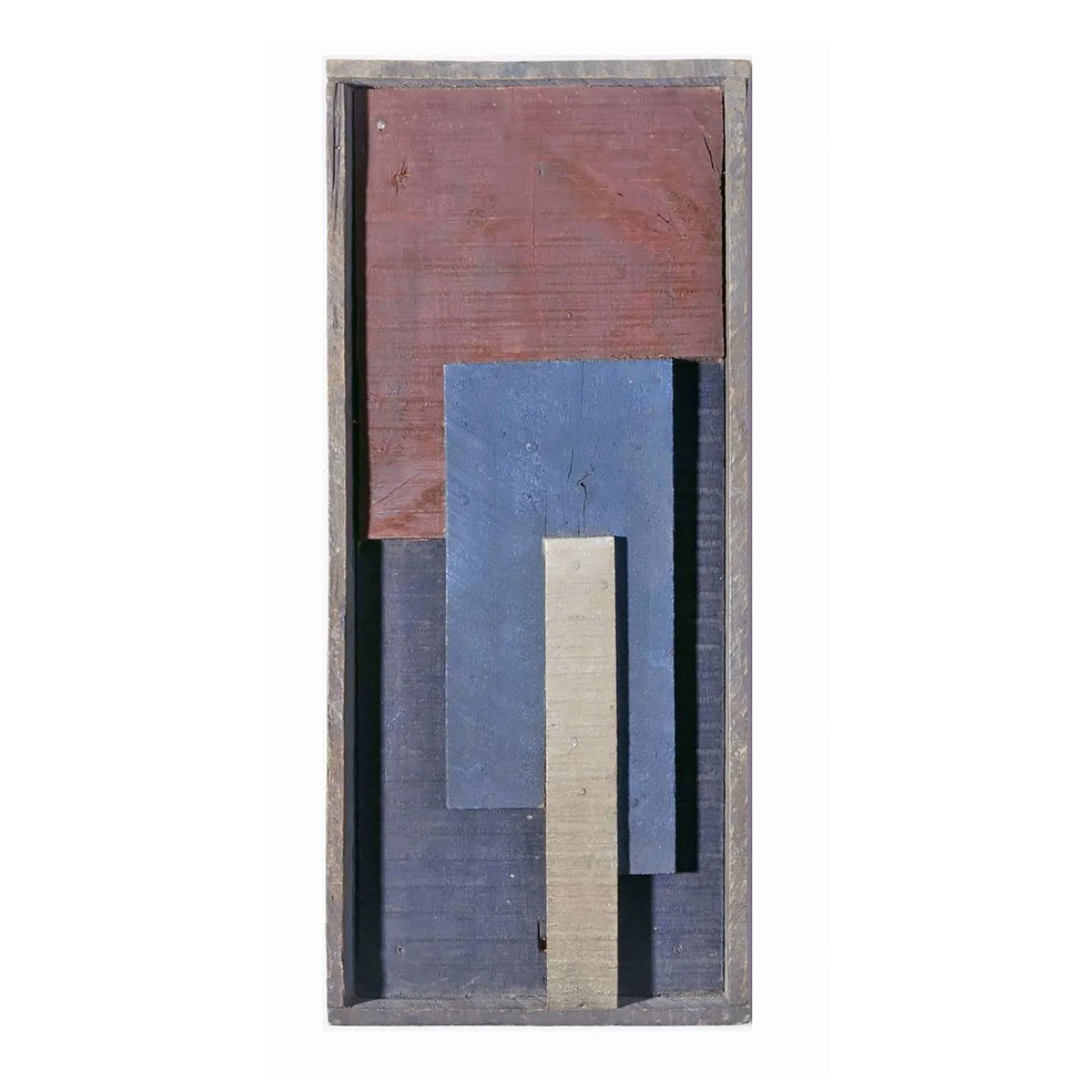
Construction in wood, 1929, Museo Nacional Centro de Arte Reina Sofía, Madrid.

Abstract Form, 1929.
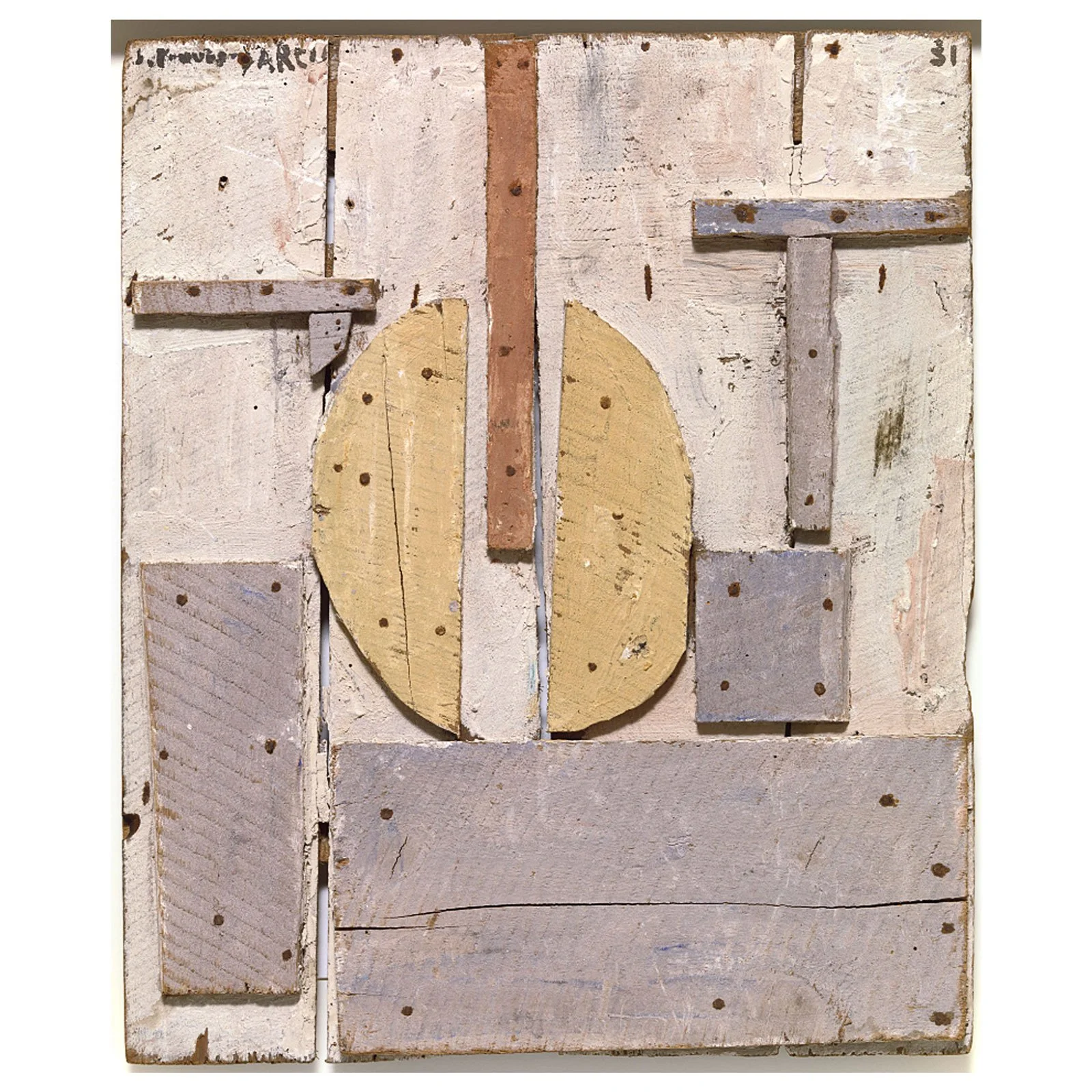
Construction with Curved Forms, 1931, MoMa The Museum of Modern Art, New York.
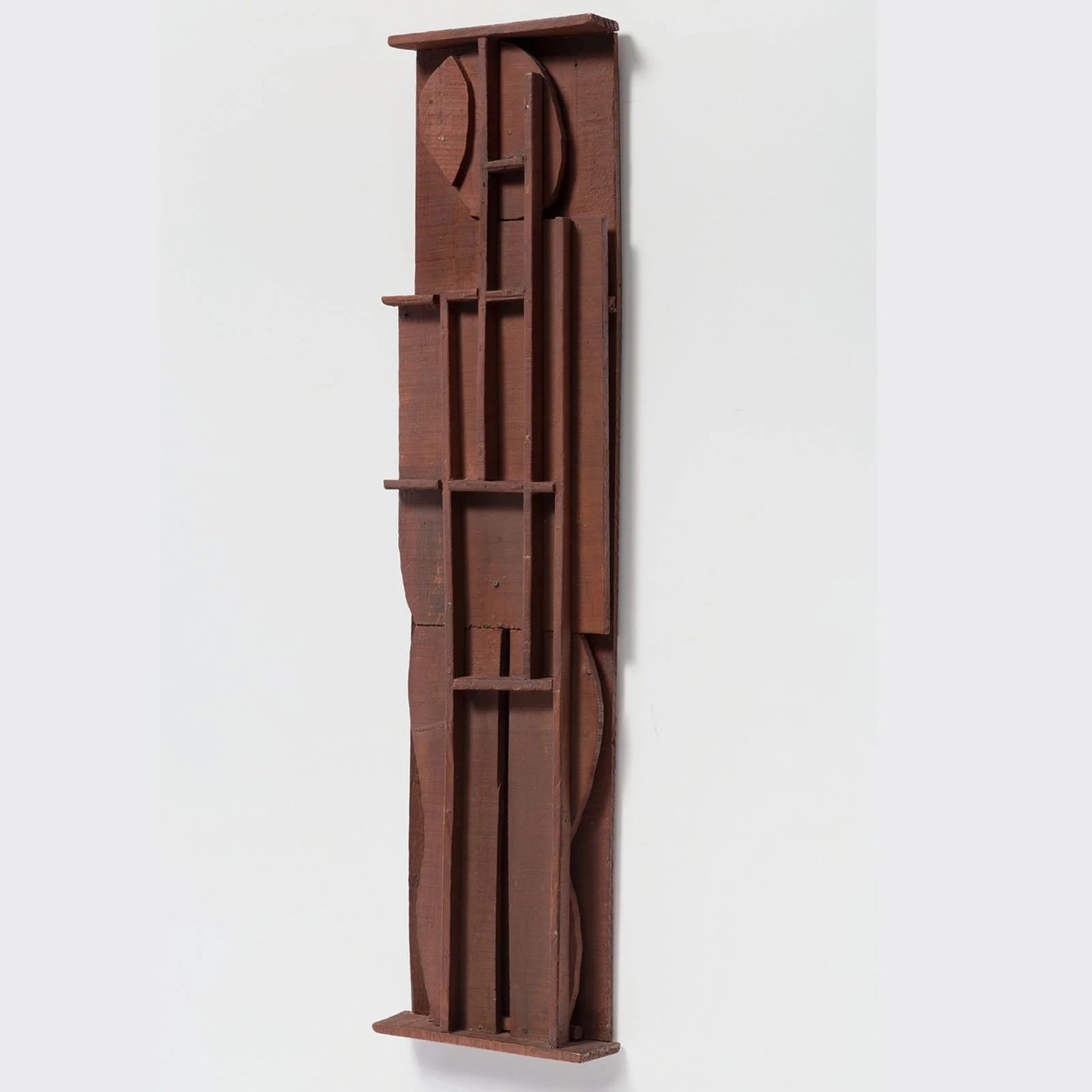
Plastic Object-Constructive Composition, 1931 Hirshhorn Museum and Sculpture Garden, Washington DC.
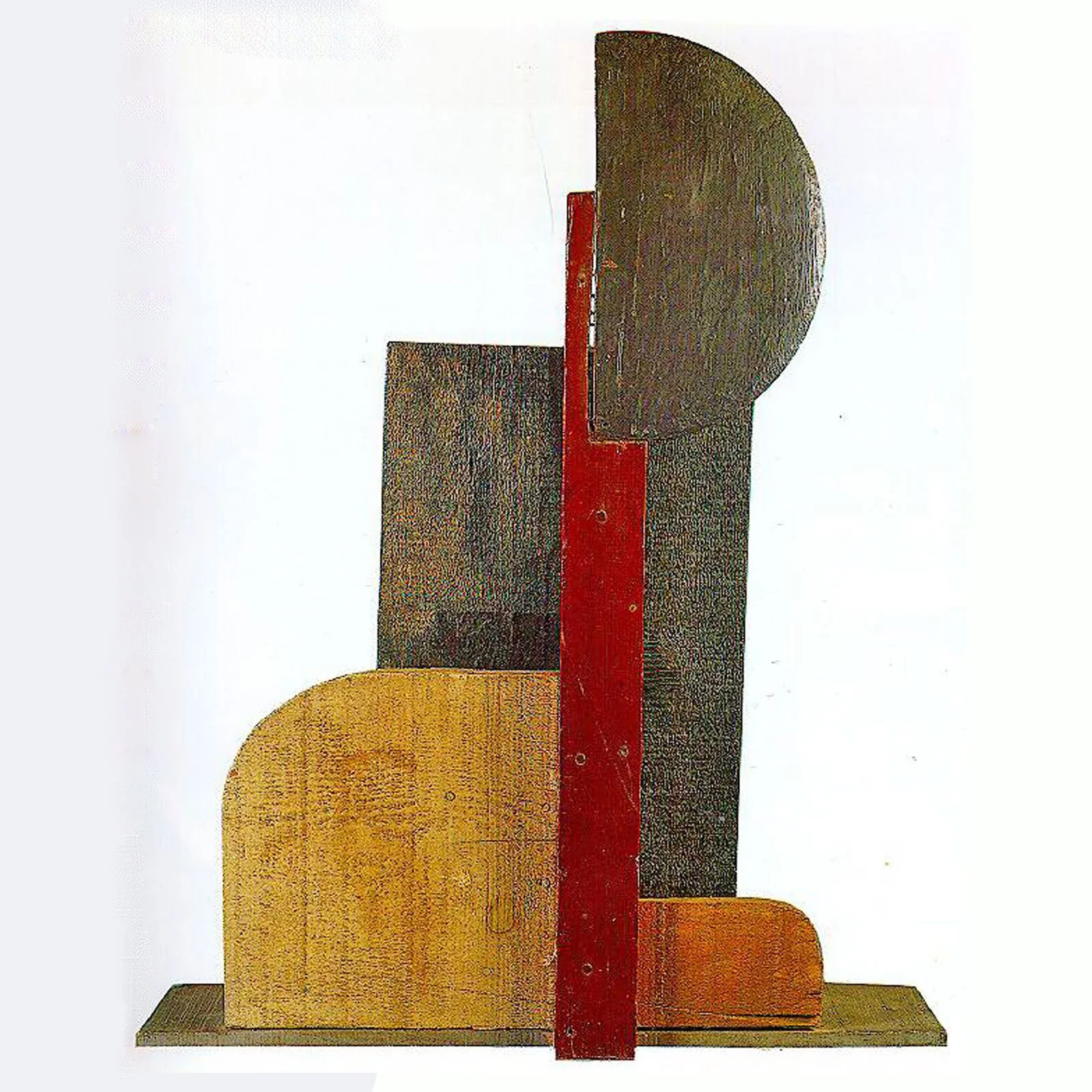
Composition 1934 IVAM Institut Valencià d’Art Modern.
“Torres-García created a quotidian classicism. His search for an exactly shaped naïveté paralleled the work of Gertrude Stein, Satie, and Miró. The use of previously non-art craft techniques for high-art ends--collage, welded metal, or, in Torres-García’s case, carpentry--puts us on notice that art is literally beginning again. The drama is in the exquisiteness of the sensibility that attends to this rough-hewn stuff--as fine, if not finer, than that of a master jeweler concocting Fabergé eggs. What keeps Torres-García’s work from preciosity, from a facile charm, is the pressure that he imposes on blunt fact.’
Jed Perl
“The figurative forms that appear in Torres-García's Constructivist pictures … he himself uses the term “sign” to refer to them. But there is another more convincing argument: in contrast to the schematic forms that in a Cubist painting refer to a palette or an absinthe glass, the schematic forms of Torres-García do not represent things, but rather the “ideas of things,” to use the expression chosen by the author himself. That is why what we see in Torres-García’s paintings are always complete forms and not fragmentary, such as those found in Cubist art. For in mental representation, objects always appear complete because they are presented as types; from an empirical viewpoint, we recognize them as objects regardless of their fragmented representation.
Torres-García emphasizes this condition of an ideal type attributed to represented objects by writing them with uppercase initials. For him, the schematic drawing does not represent a ship (this or that ship), a house (this or that one), but the Ship, (thus, with a capital S), and the House. In this sense, the painted schema is a sign. This pictorial language, built by Torres-García following these schemas, is a deliberately constructed language of signs.
Tomas Llorens
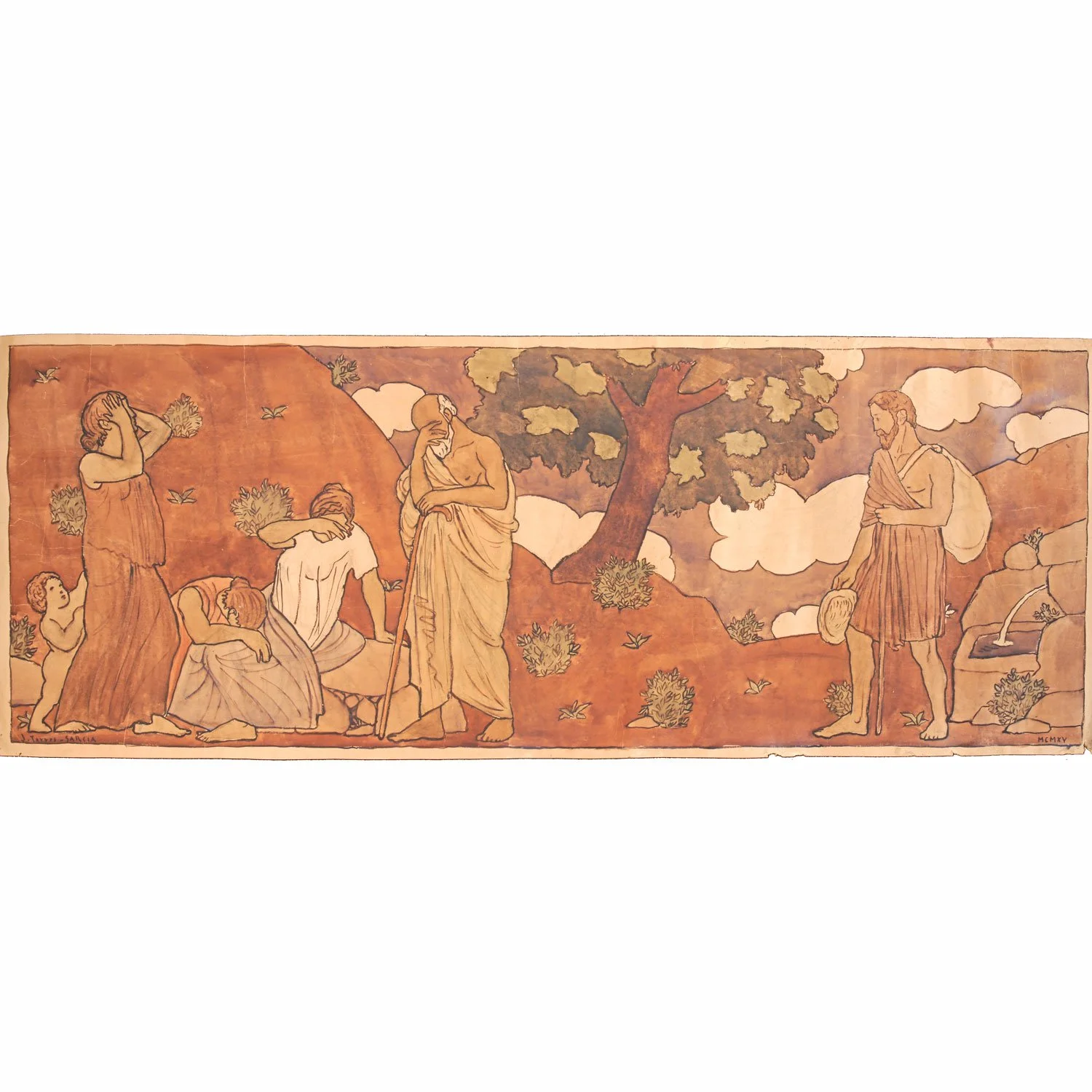
The return, 1915
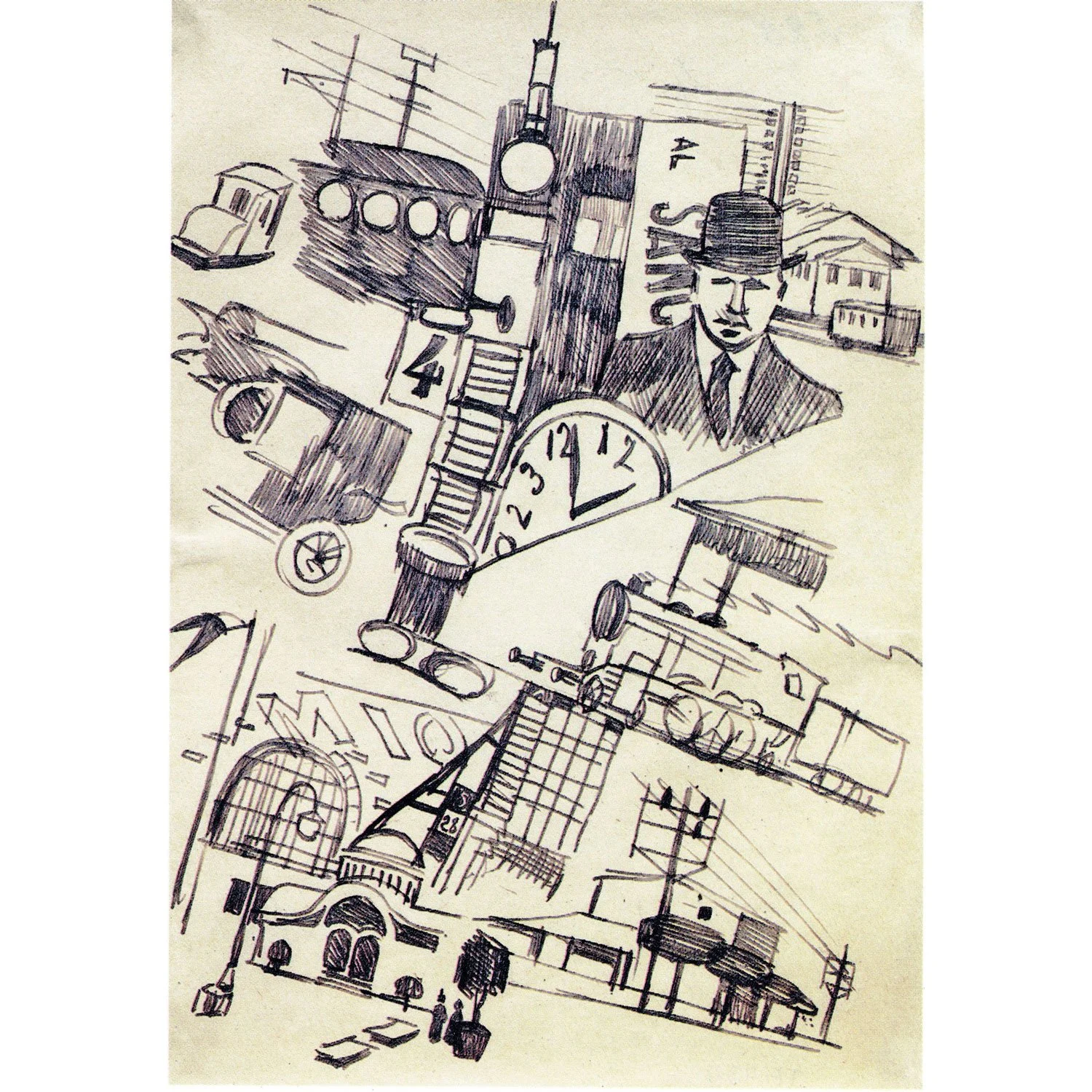
Untitled, c. 1916
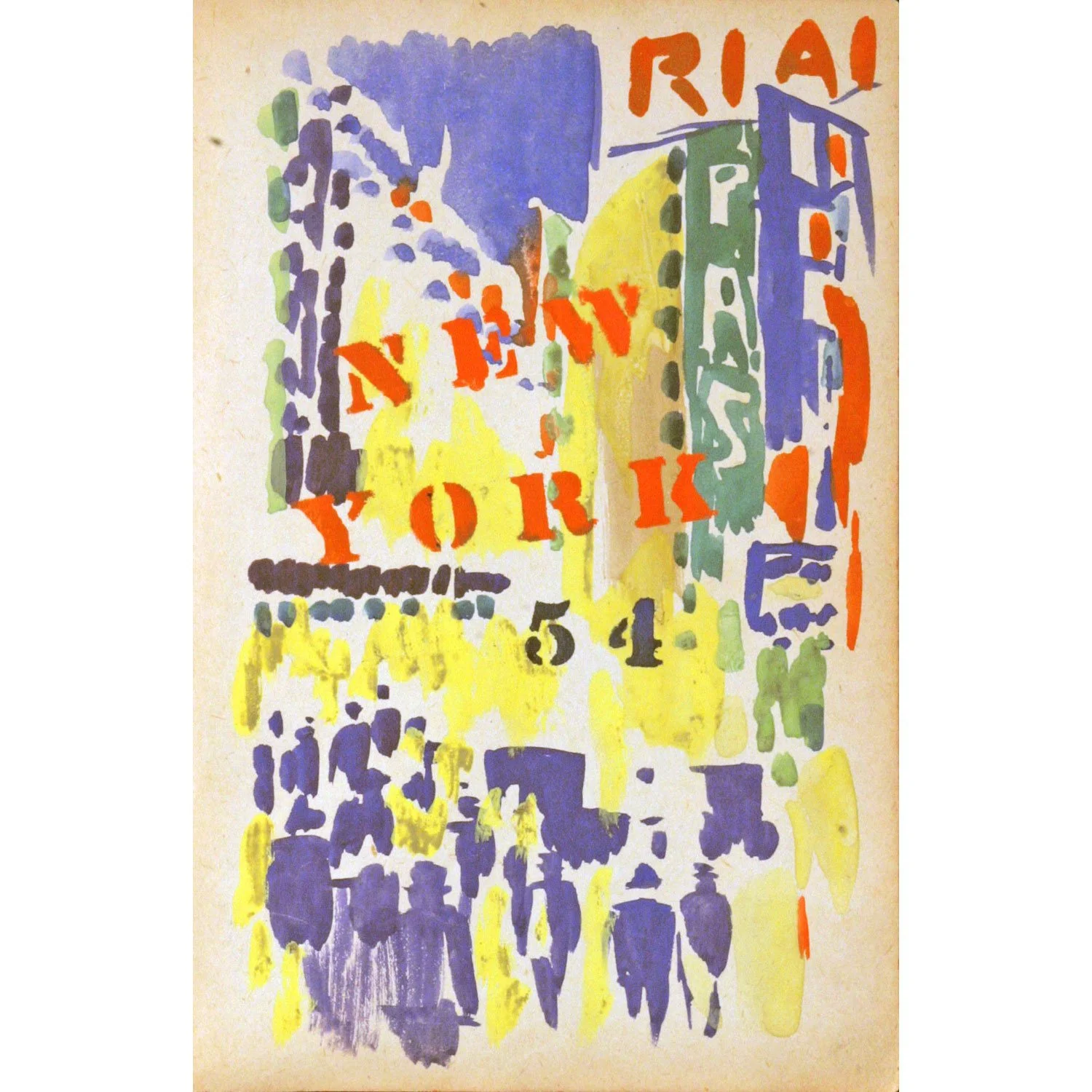
New York, 1921 page from watercolor notebook.
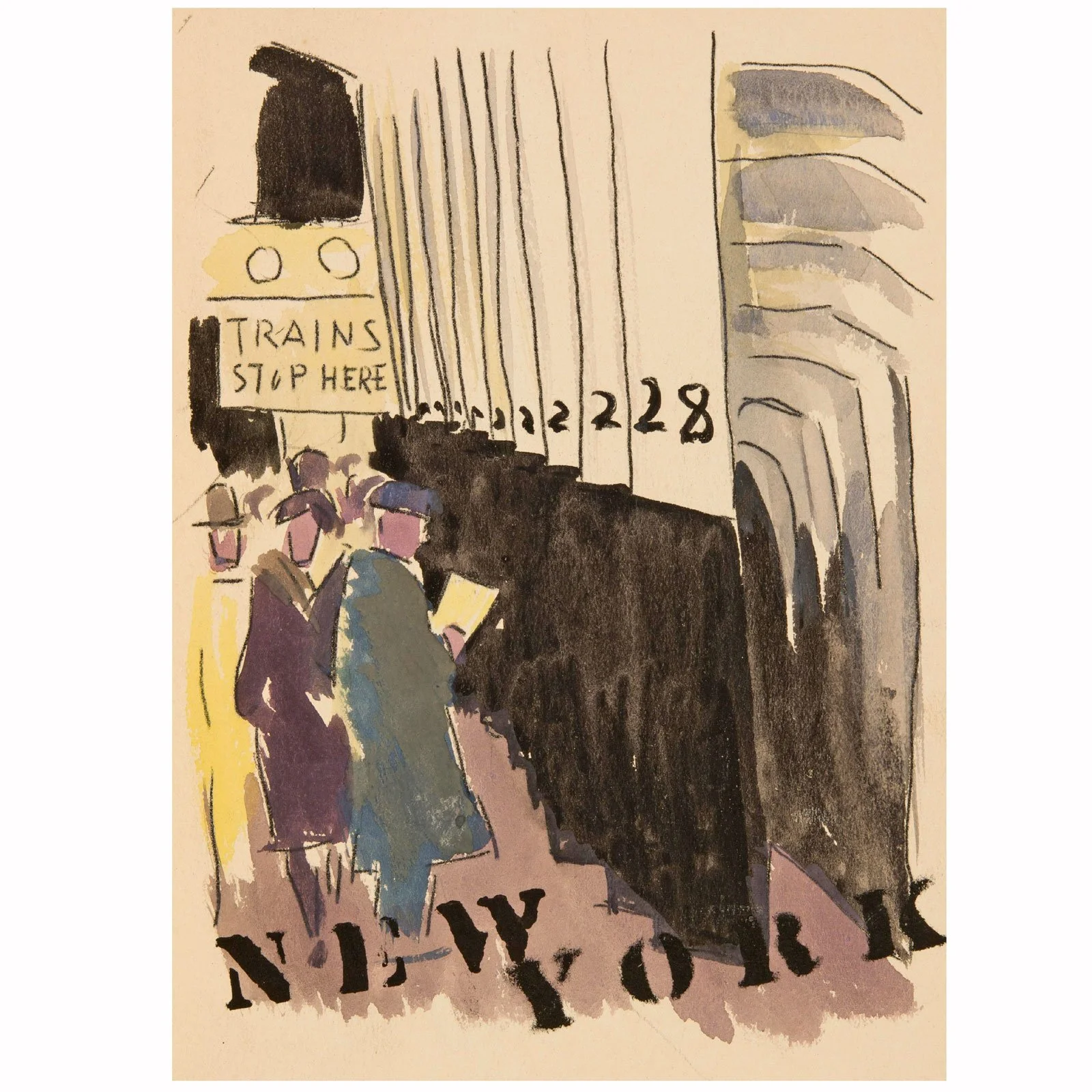
New York, 1922 Philadelphia Museum of Art, Pennsylvania.
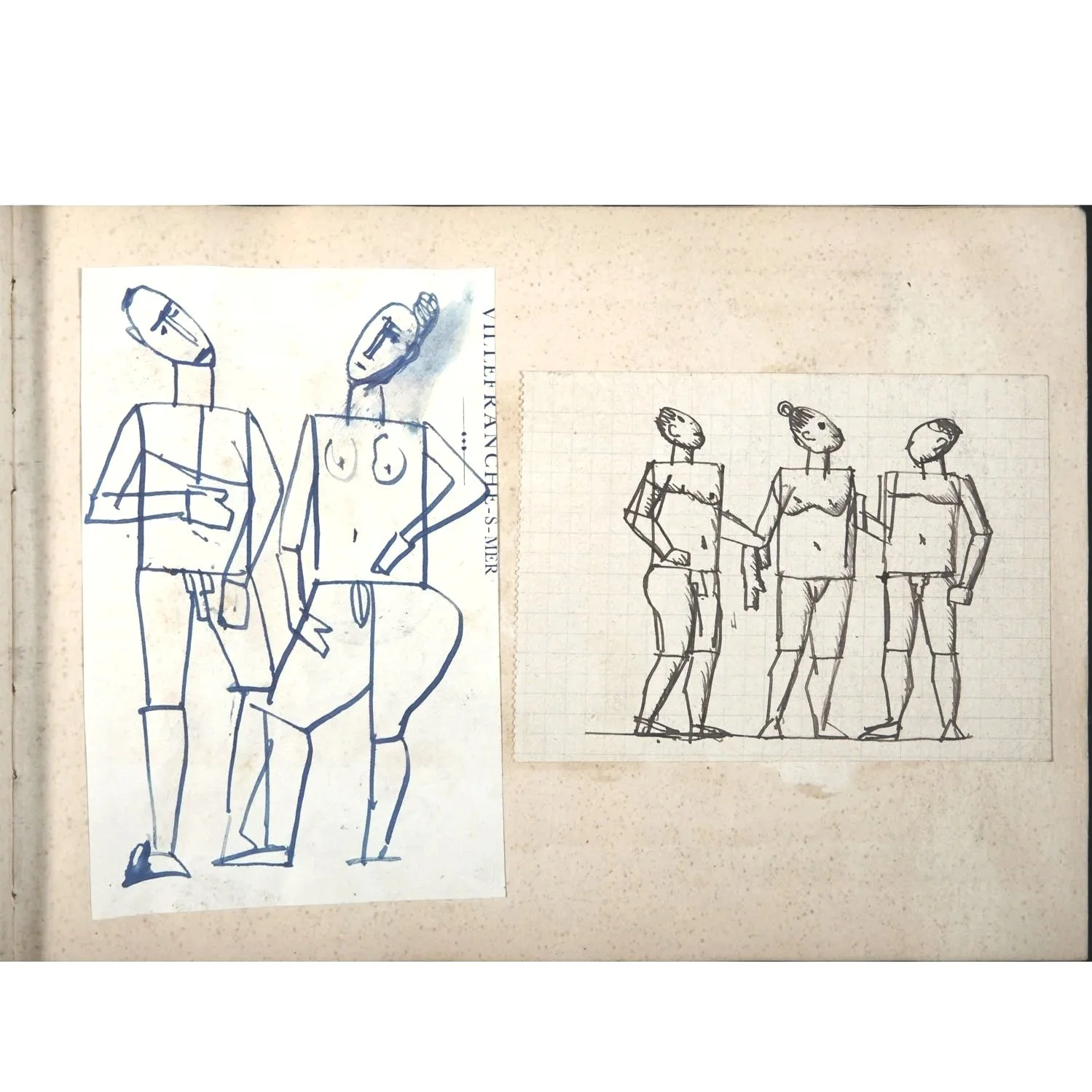
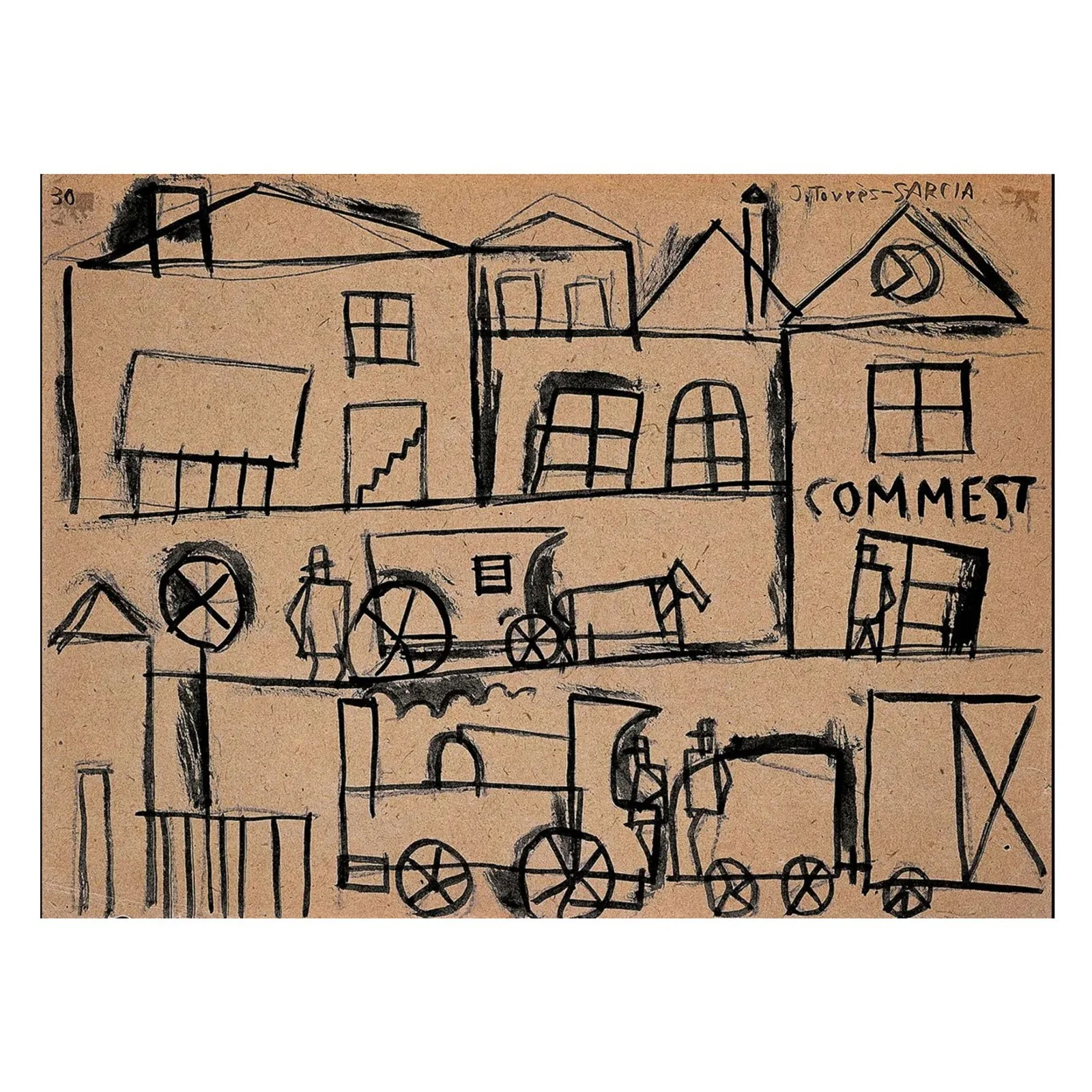
Constructive Train, 1930 Fundación Mapfre, Madrid.
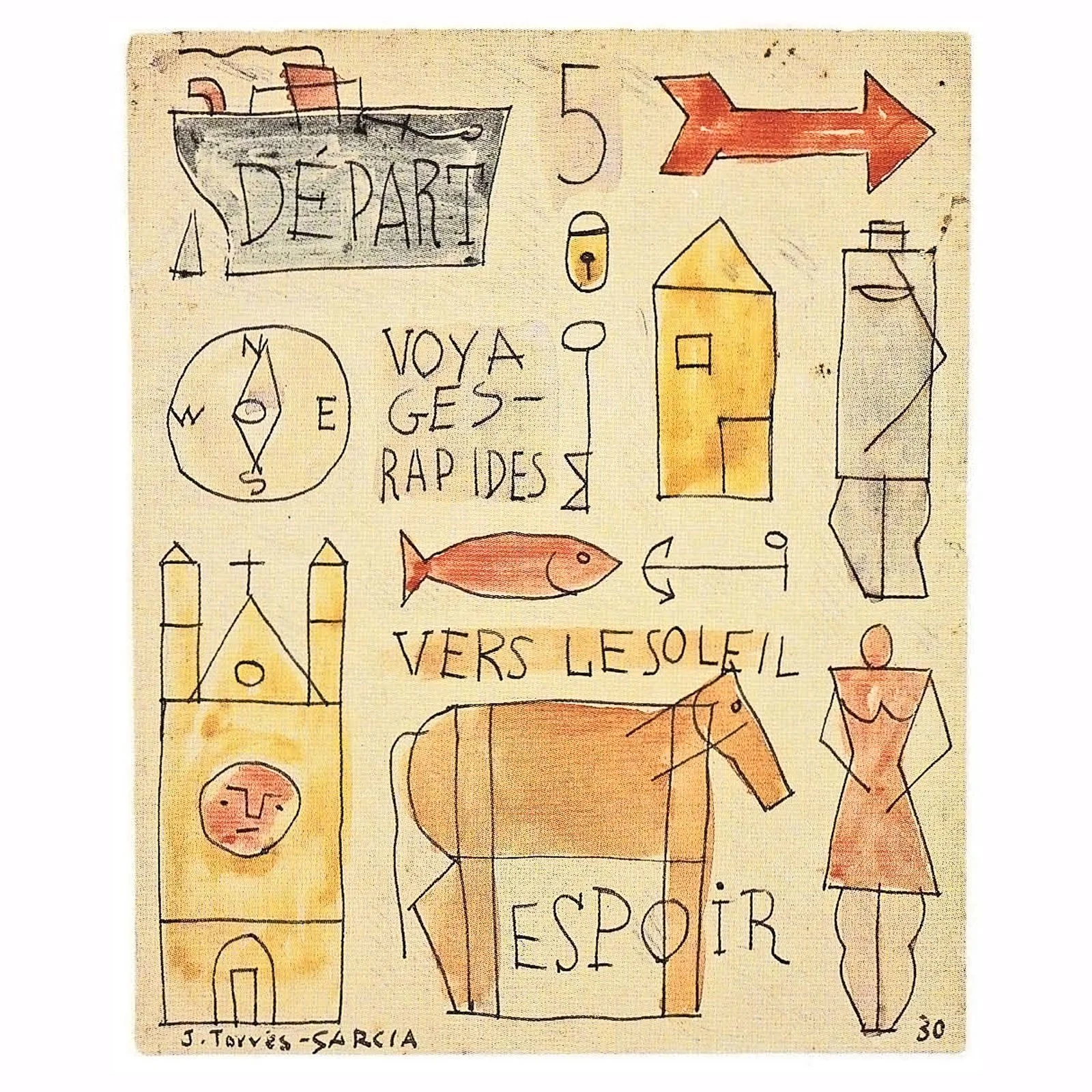
Swift journeys toward the sun — hope, 1930.
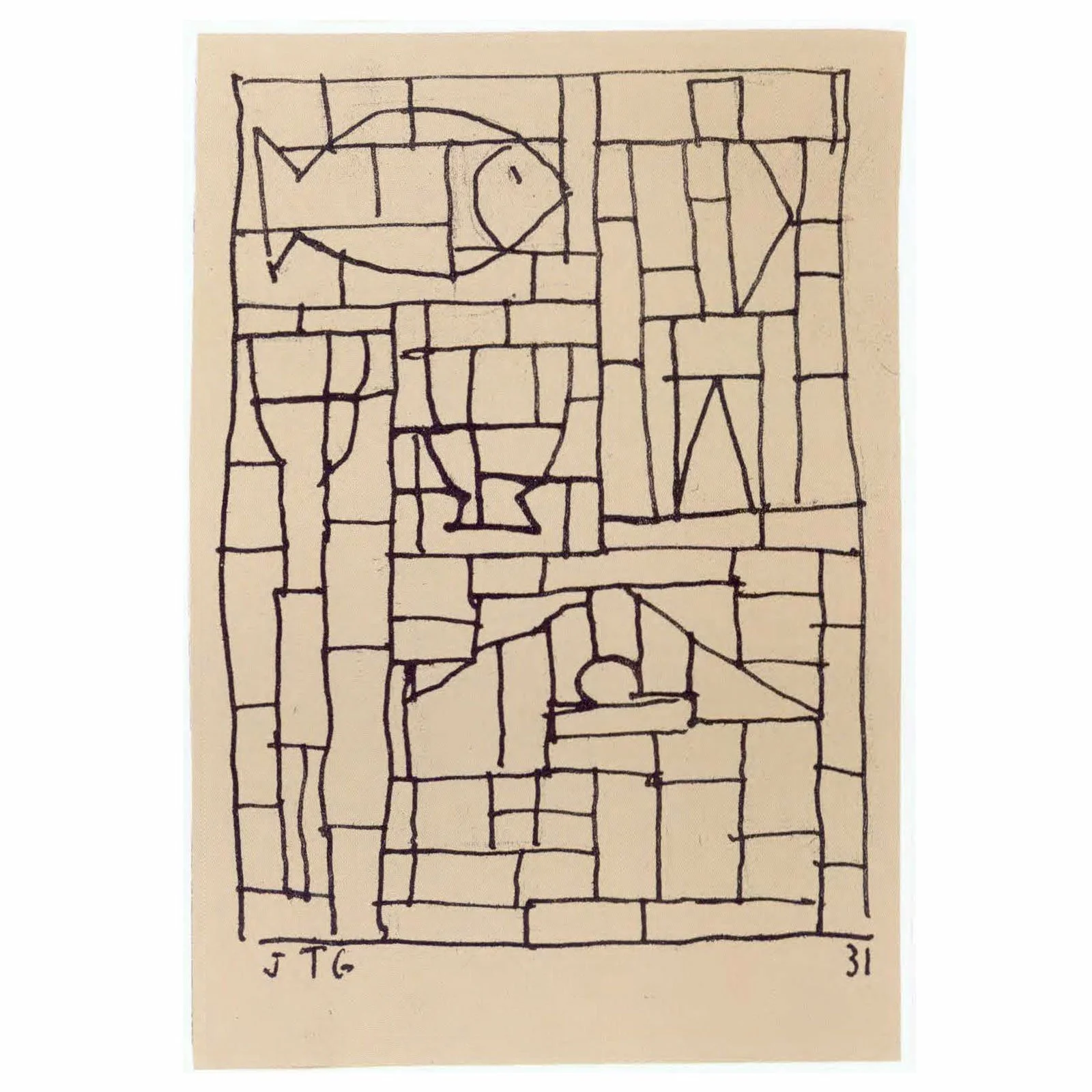
Untitled, 1931.
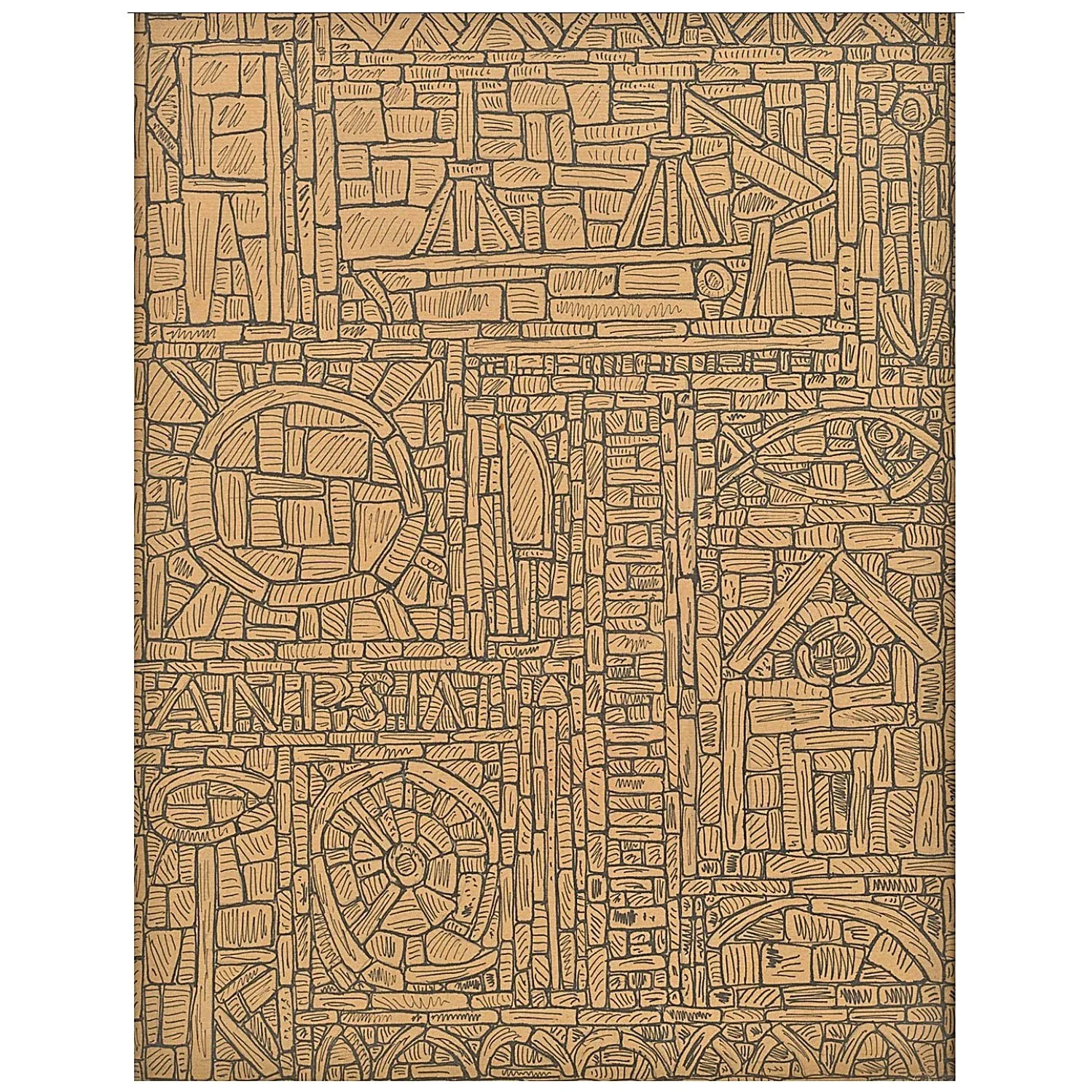
Universal Art, 1933 Solomon R. Guggenheim Museum, New York.
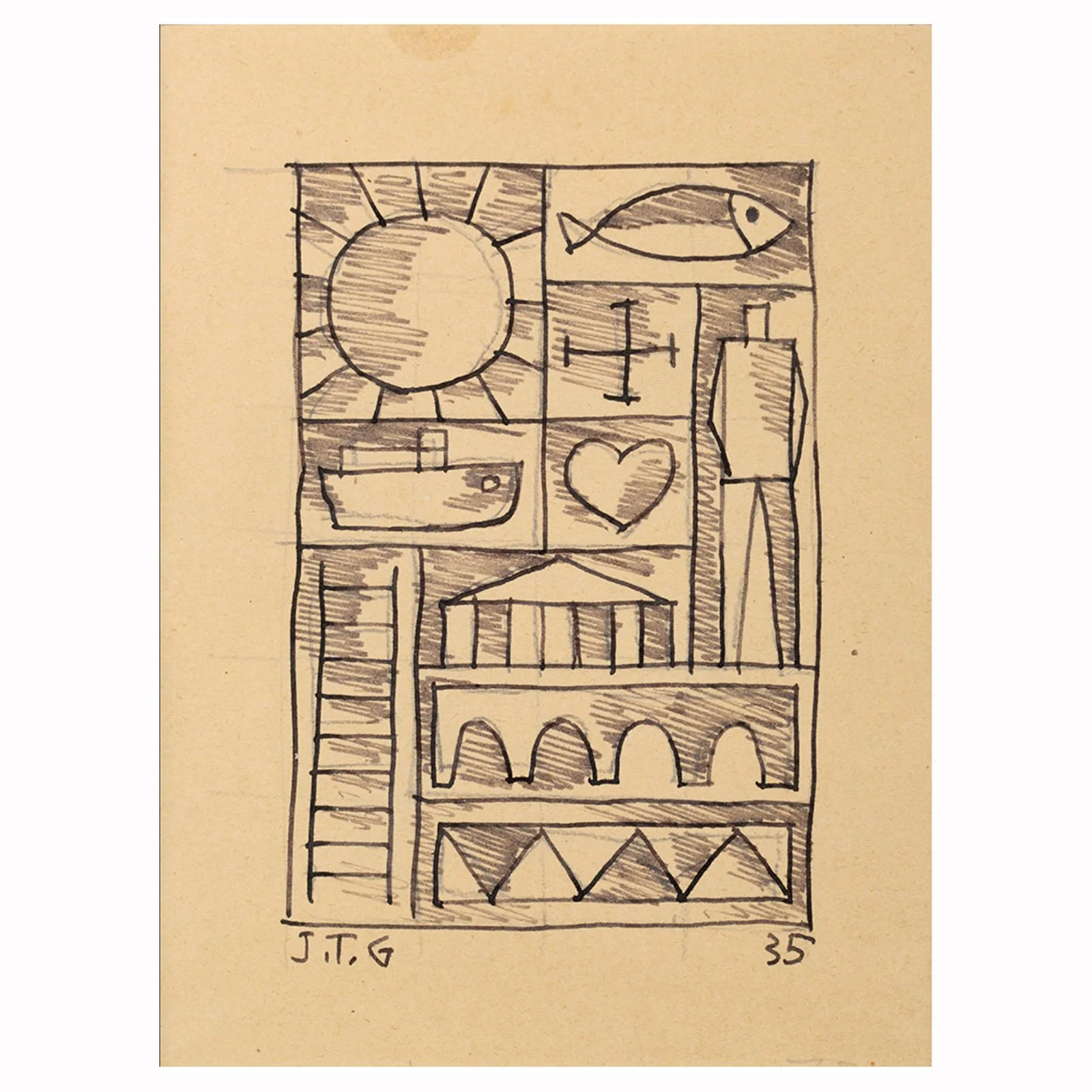
Constructive drawing, 1935 The Latin American Art Museum of Buenos Aires.
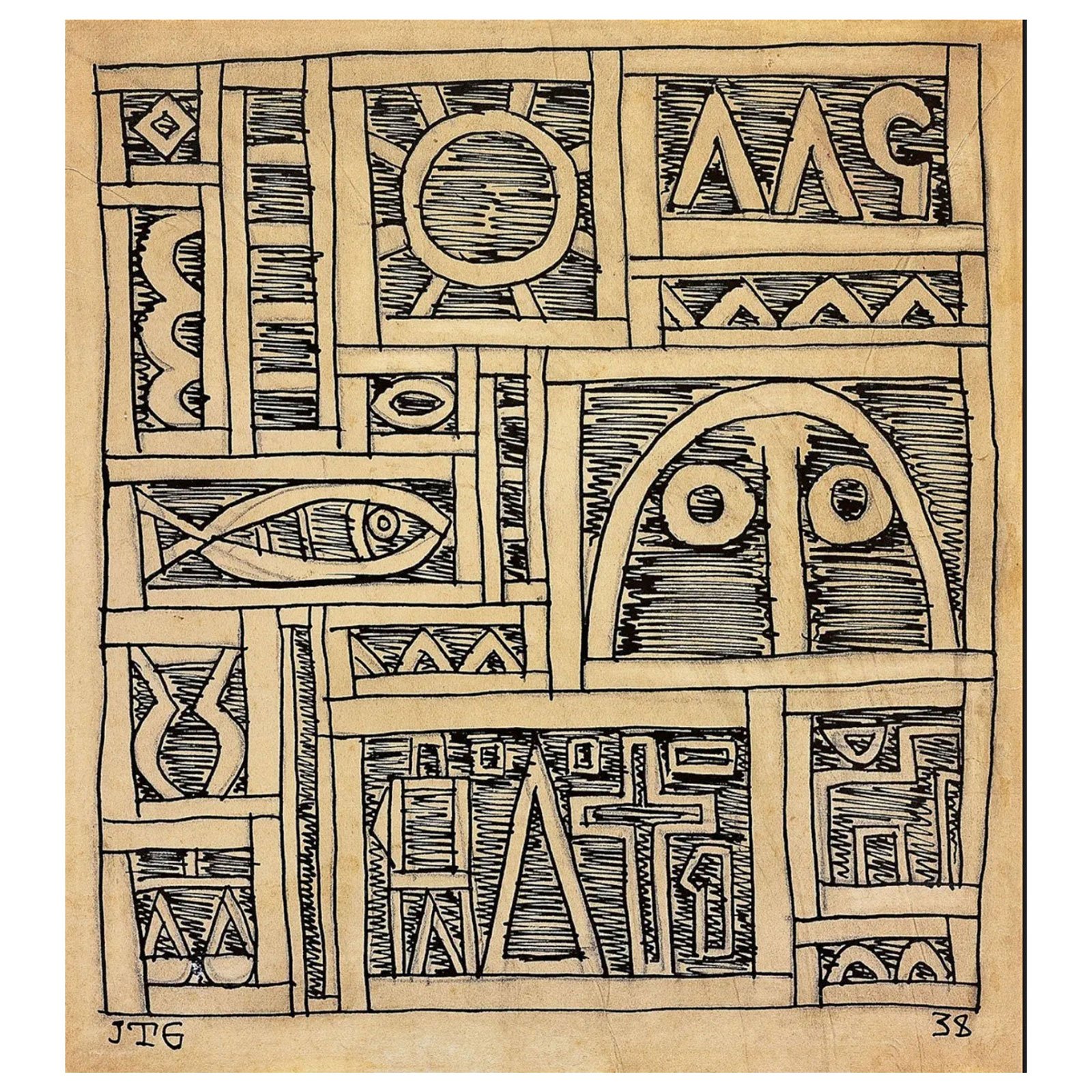
Constructivist Art, 1938 Fundación Mapfre, Madrid.
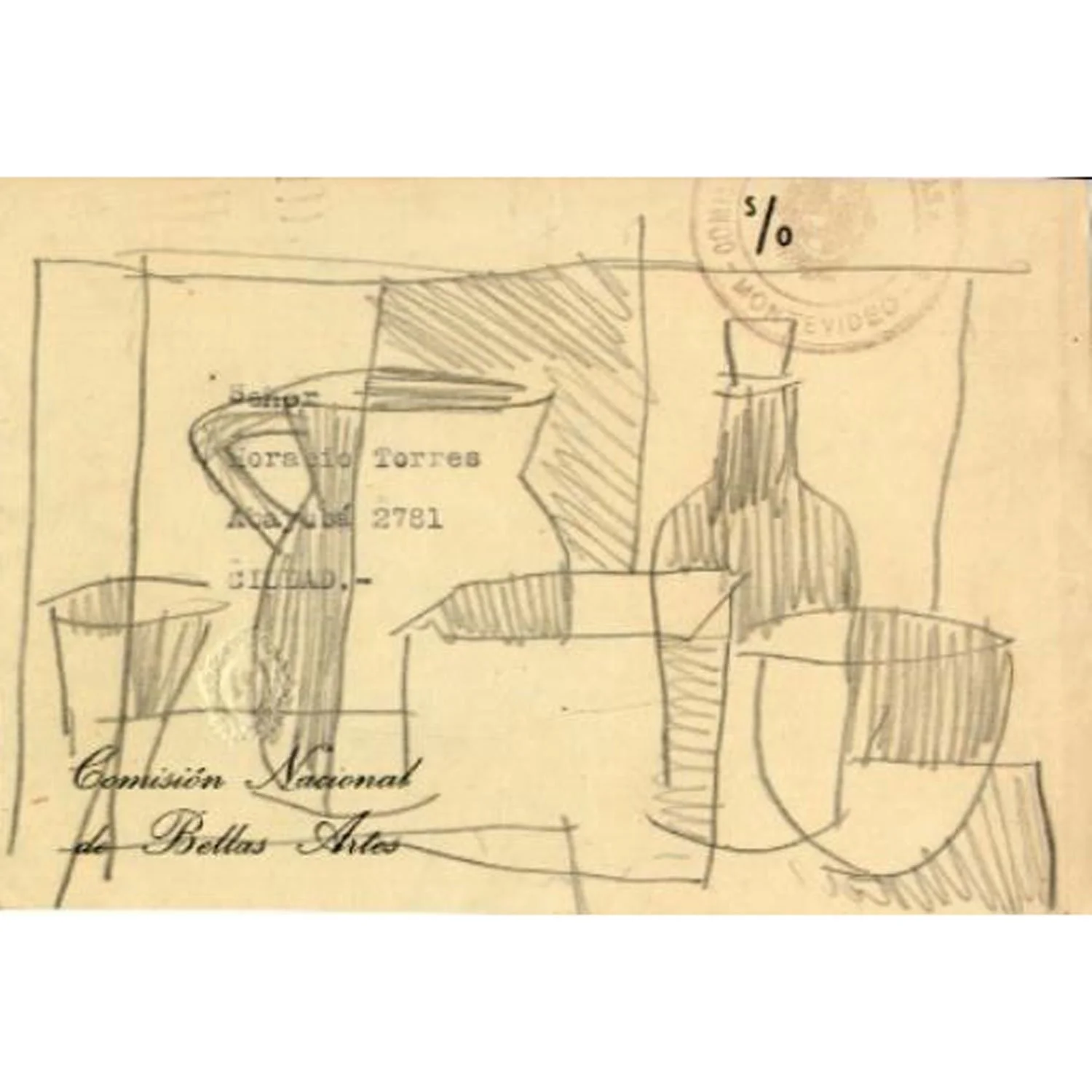
Untitled, 1947.
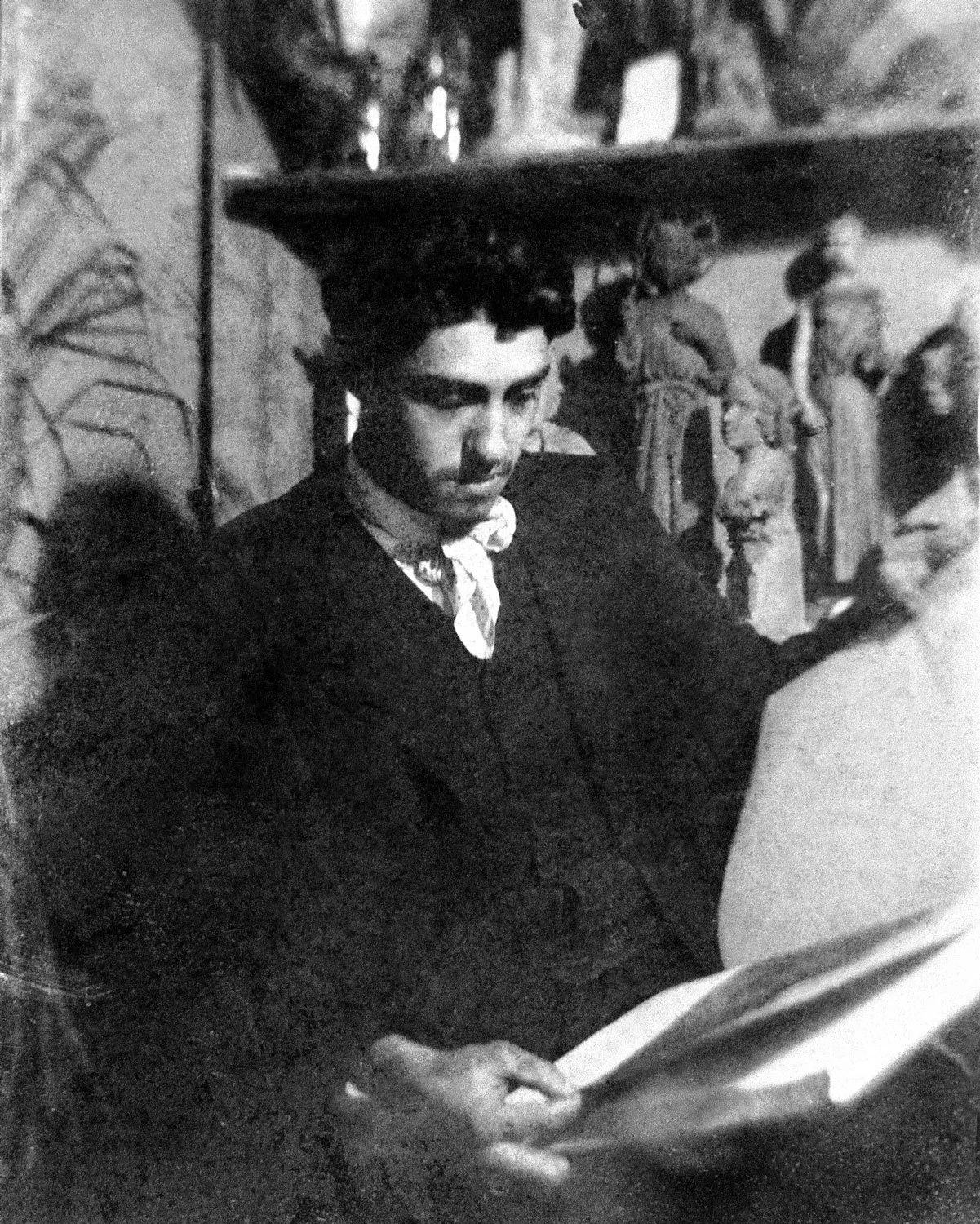
Joaquín Torres-García in Barcelona, c.1894.
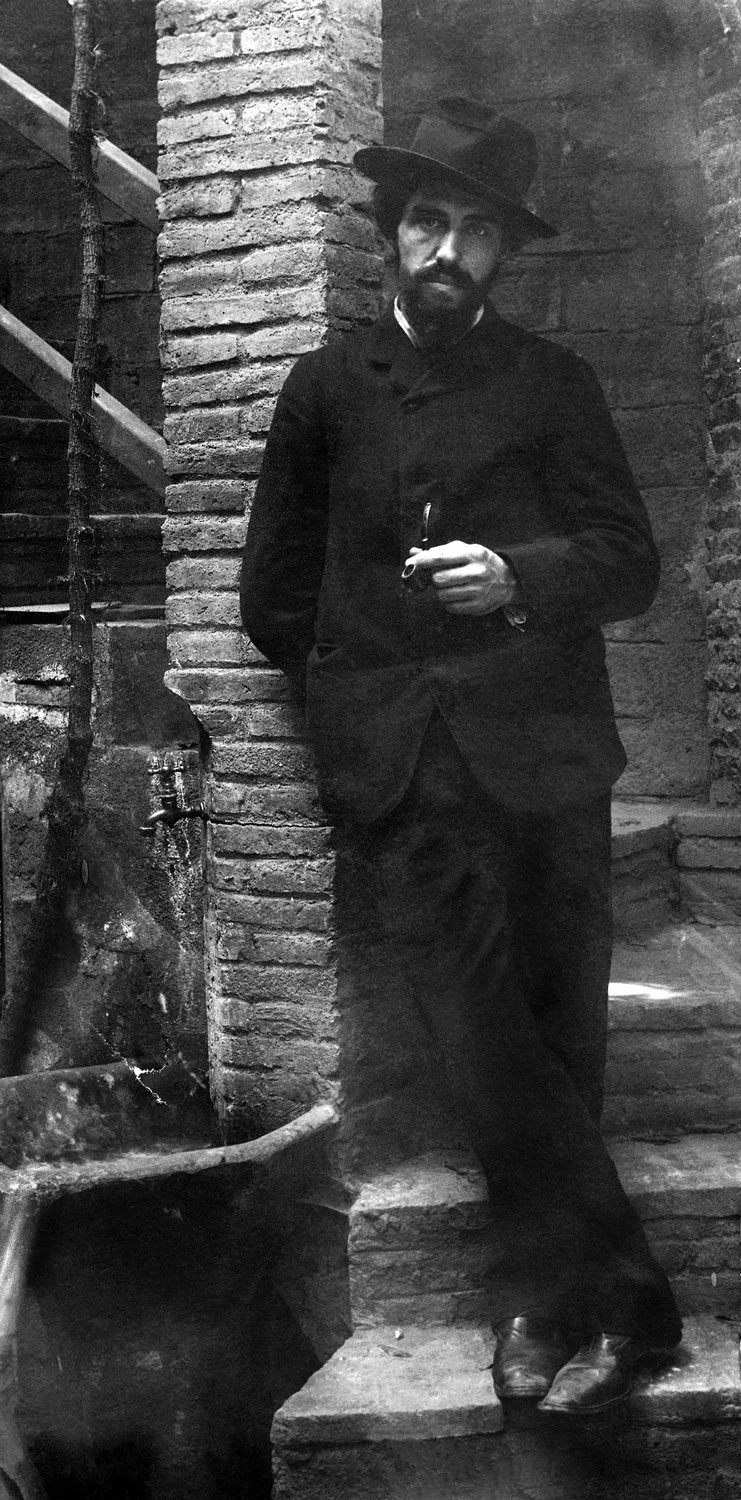
Joaquín Torres-García at the construction site of the Sagrada Familia, Barcelona c. 1903-5.
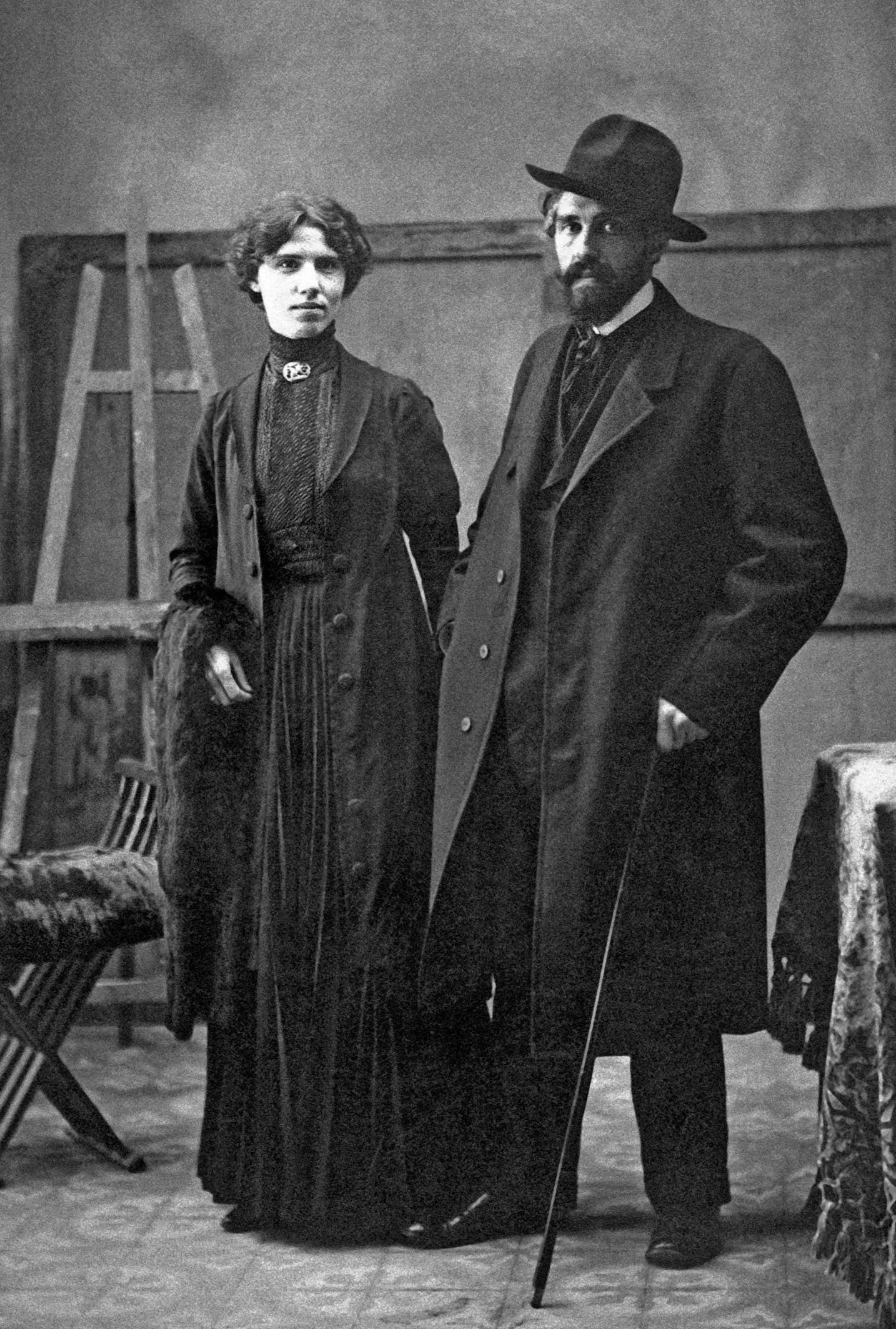
Manolita and Joaquín Torres-García, Barcelona. 1909.
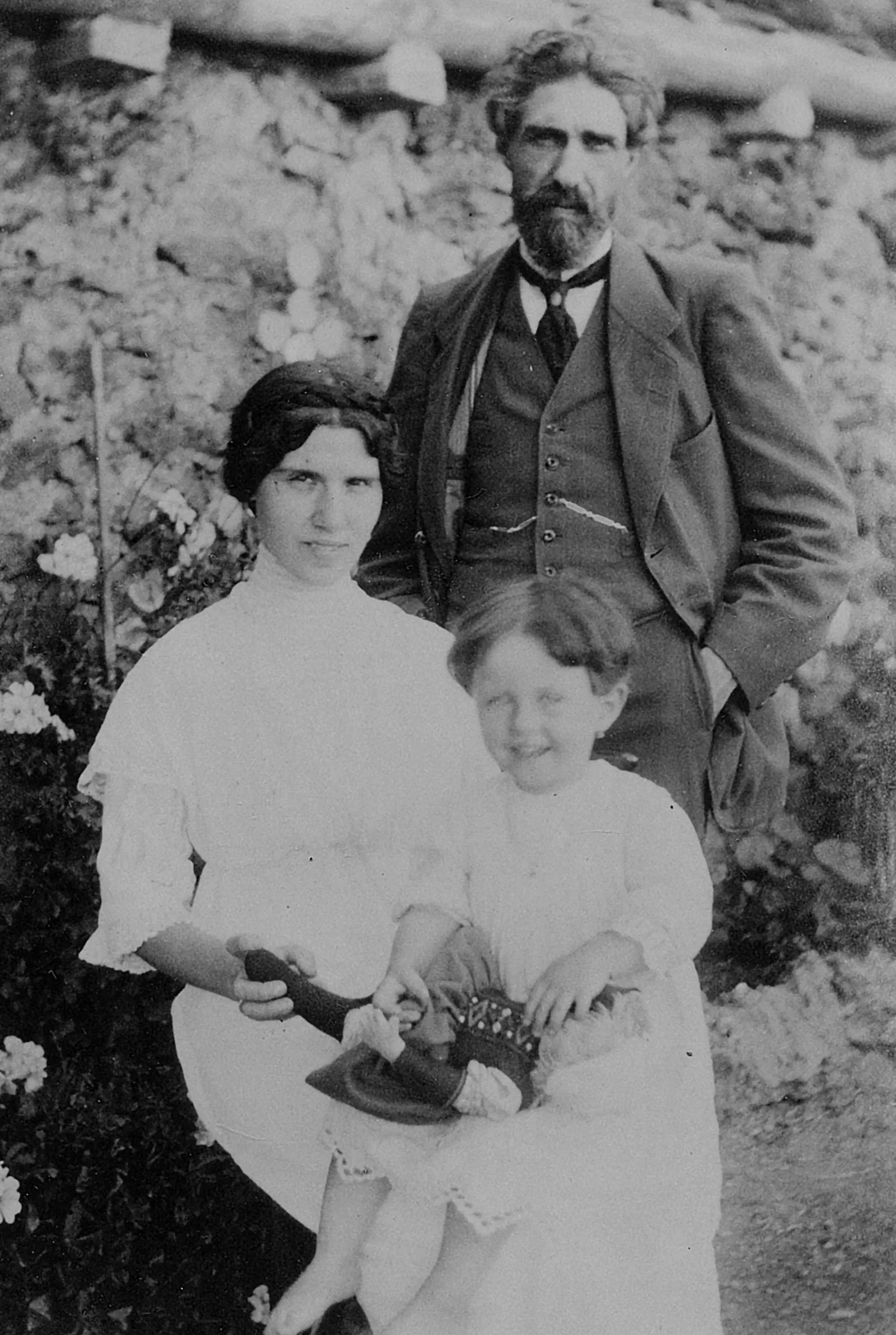
Manolita, Joaquín Torres-García, and Olimpia, 1913.
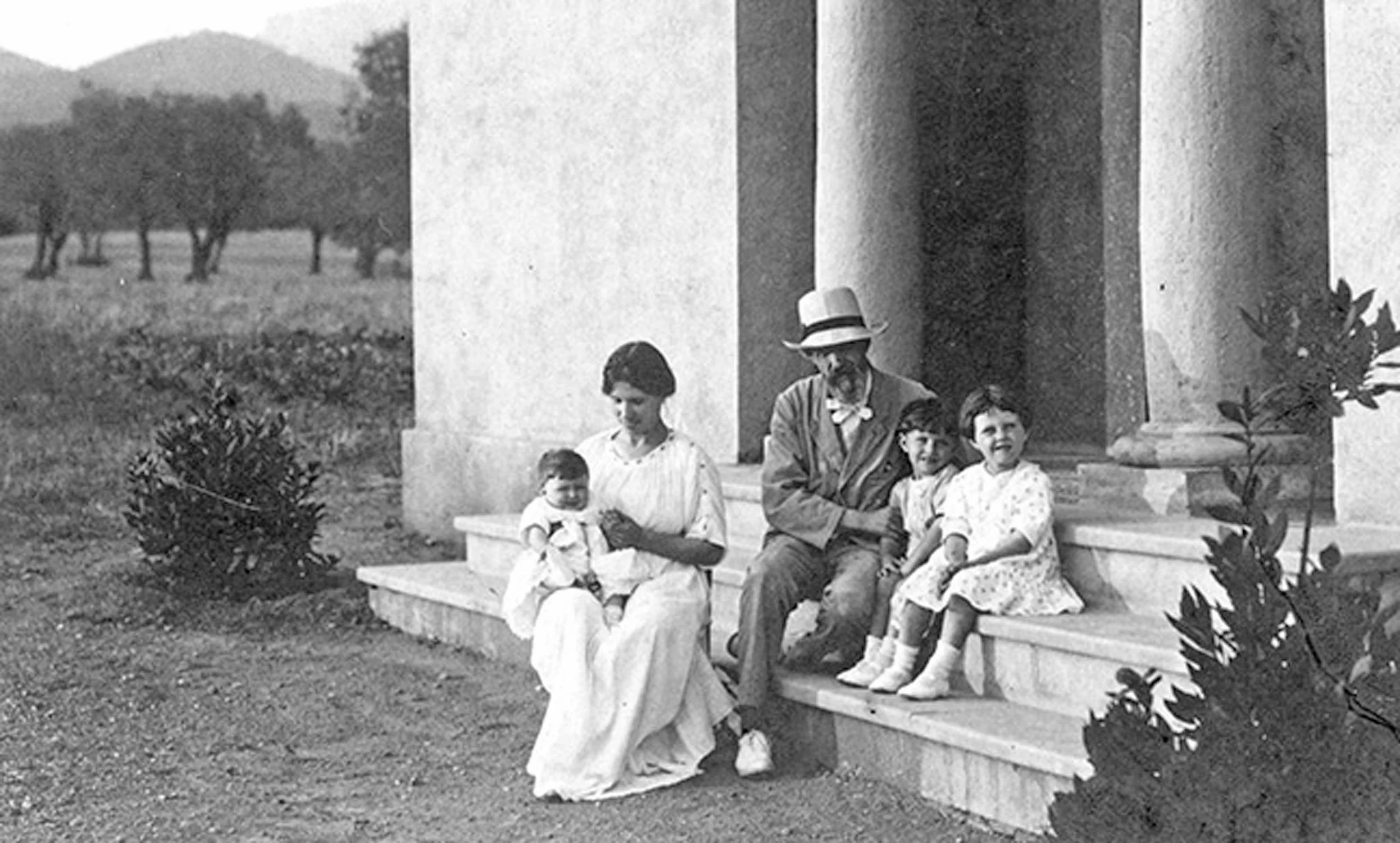
The family at the house designed by Joaquín Torres-García in Terrassa, Spain c.1915.
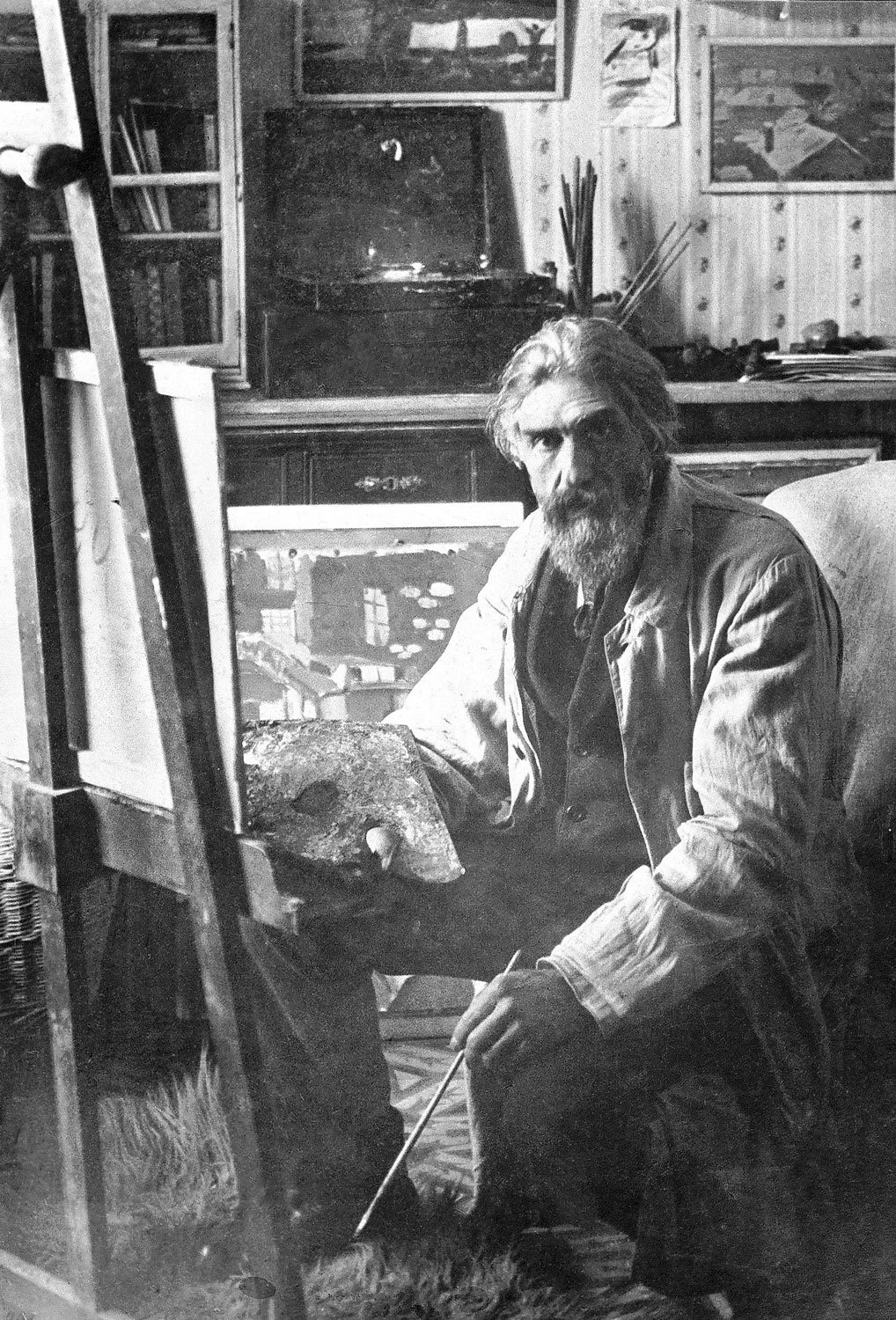
Joaquín Torres-García painting in his studio, Barcelona. c. 1918.

Cadiz, Spain 1934.

Arrival at Montevideo, Uruguay 1934.
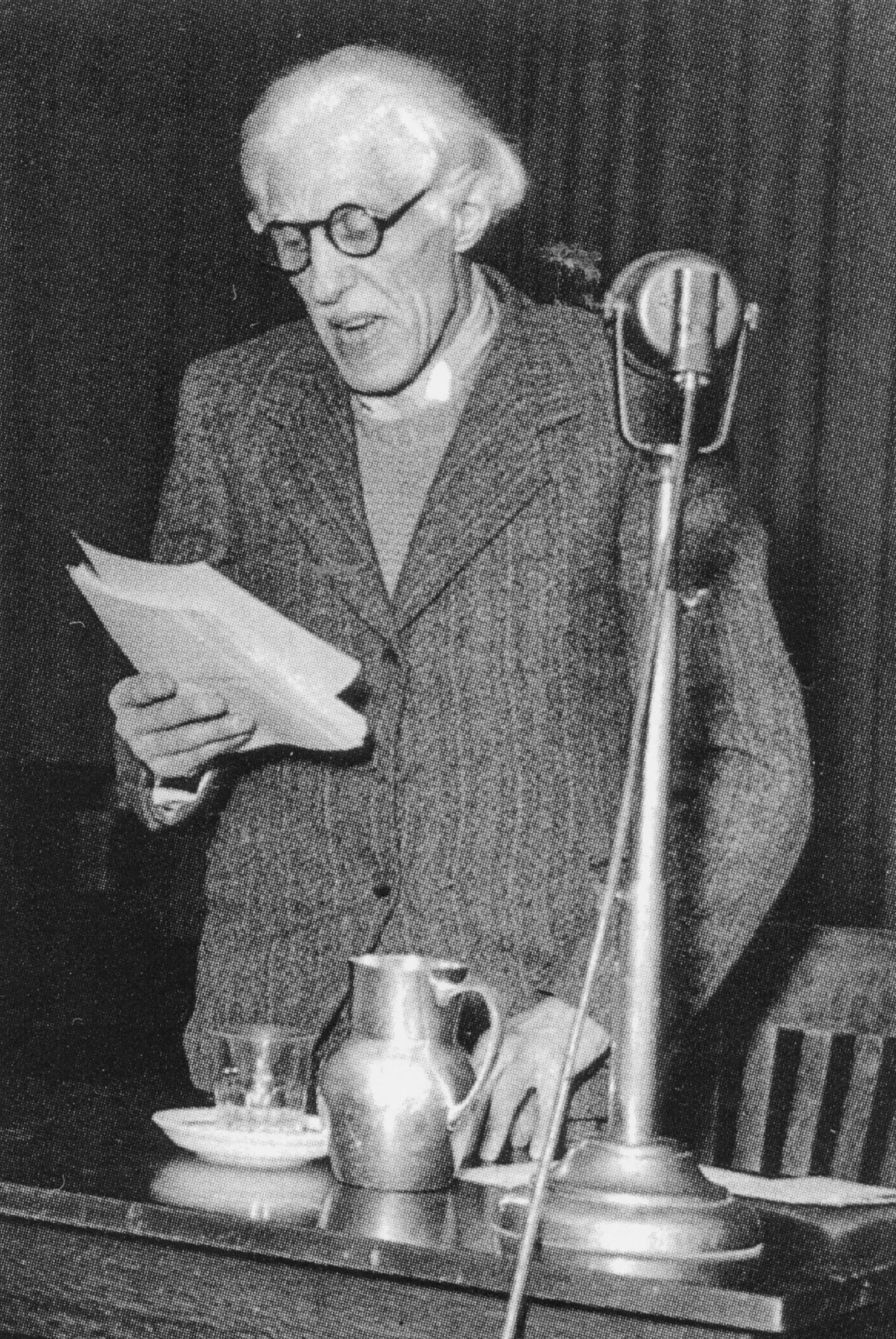
Joaquín Torres-García delivering a radio lecture, c. 1934.
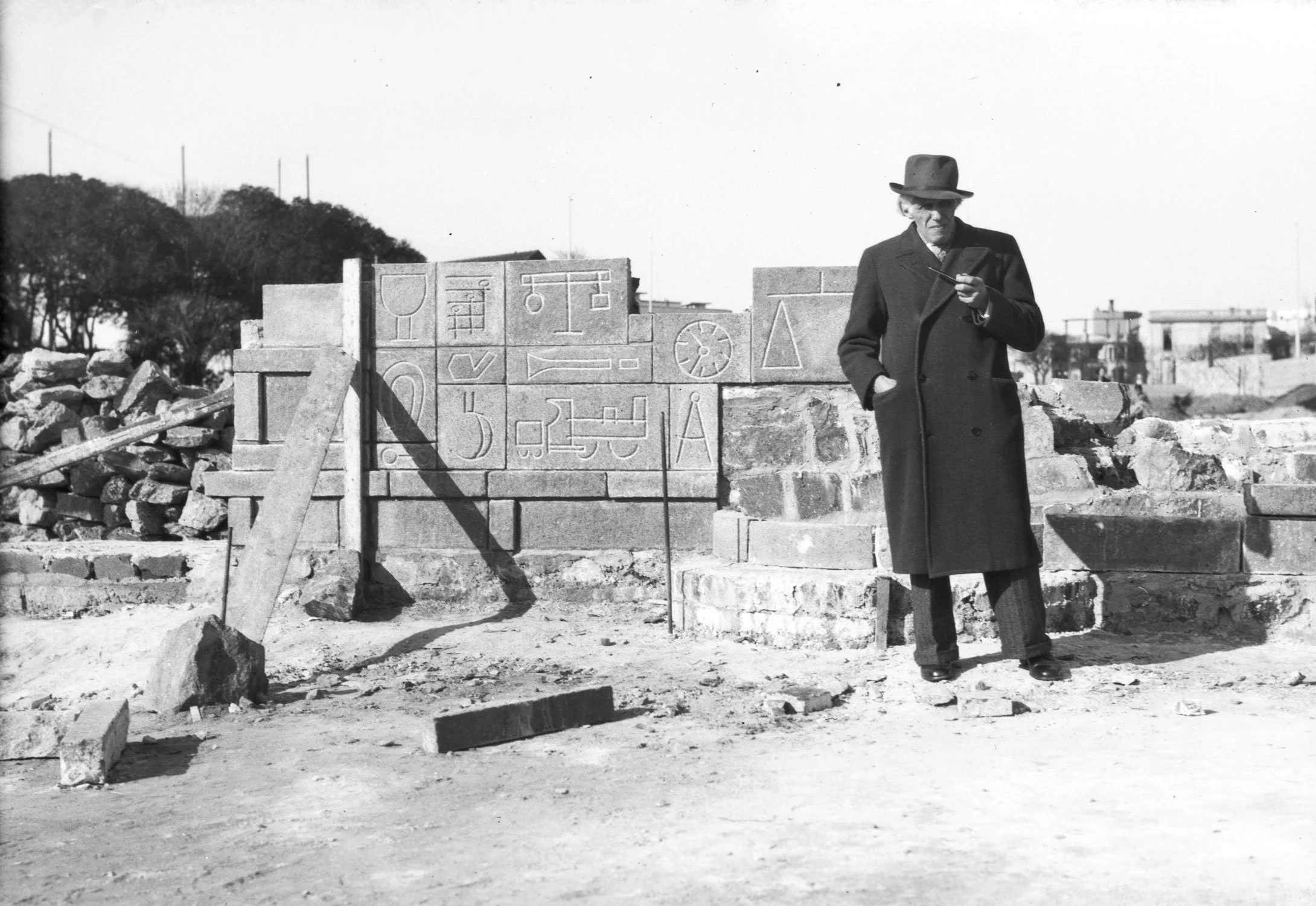
Joaquín Torres-García supervising the construction of Cosmic Monument, Montevideo, c. 1937.